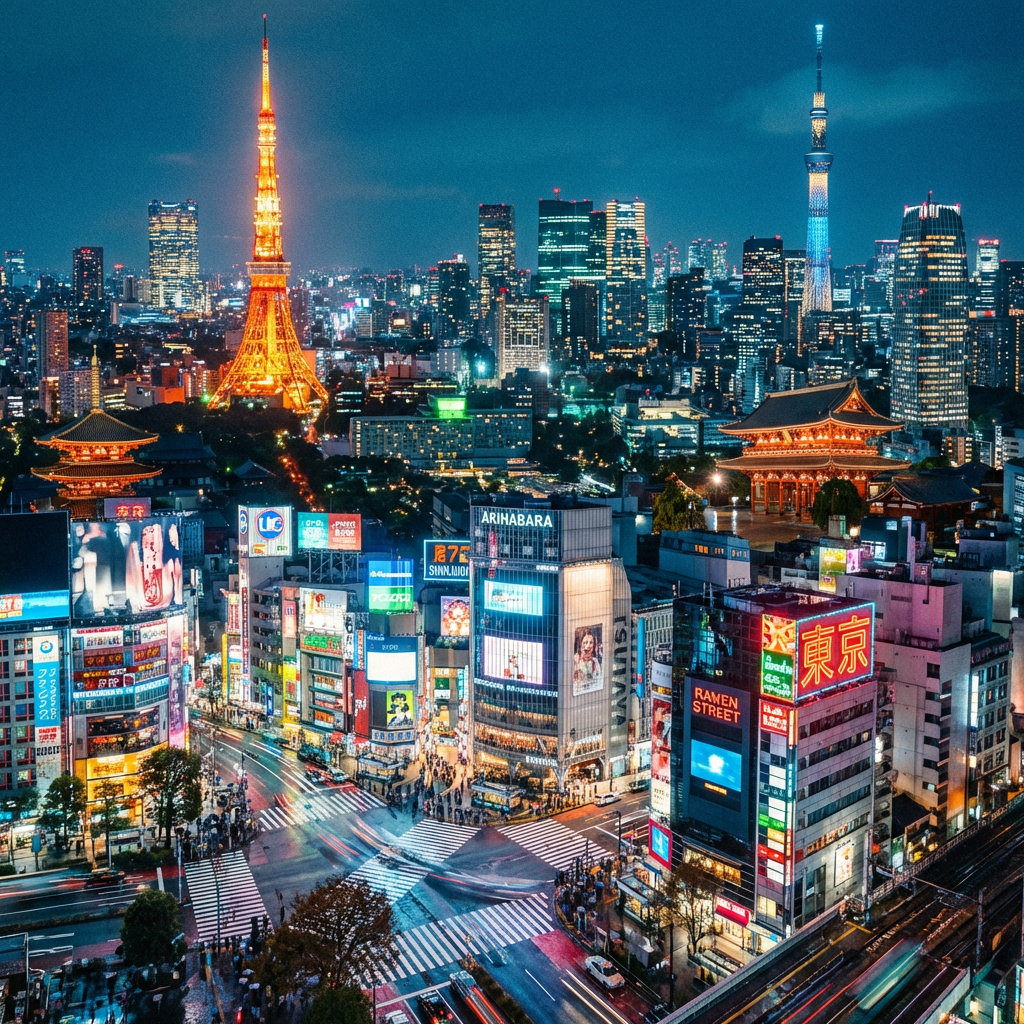
There is no city quite like Tokyo. Around 37 million people live across the greater metropolitan area, yet the city can feel remarkably ordered for its size. Historic temples and shrines sit alongside neon-lit entertainment districts, tiny sushi counters and one of the world’s most extensive public-transport networks. It’s bewildering, beautiful and unlike anywhere else you’ve been.
📢 Affiliate Disclosure: This post contains affiliate links to Klook, Viator, and Amazon. If you book or buy through our links, The Wandering Adventurer earns a small commission at no extra cost to you. Thank you for supporting independent travel content!
This guide covers the best things to do in Tokyo with booking links, transport, addresses and insider tips for every stop, plus what to eat, what to pack and the practical details first-timers need. Looking specifically for where to eat? See our dedicated Tokyo Food Guide.
🗺️ Quick Book: Top Tokyo Experiences
| Experience | Best For | Book |
|---|---|---|
| 🛕 Asakusa & Senso-ji Walking Tour | The history behind Tokyo’s oldest temple | Klook | Viator |
| 🍣 Tsukiji Outer Market Food Tour | Navigating the market with a guide | Viator |
| 🍜 Shinjuku Food Tour | Local eateries after dark | Viator |
| 🗼 Tokyo Skytree Entry | Sunset city views | Klook | Viator |
| 🎡 teamLab Borderless | Immersive digital art | Klook | Viator |
| 🌋 Mt Fuji & Hakone Day Tour | A day trip without planning the trains | Klook | Viator |
💡 Popular time slots for teamLab Borderless and Tokyo Skytree can sell out, particularly on weekends and in cherry blossom season, so book once your dates are set.
🛕 1. Senso-ji Temple, Asakusa
🕐 Time needed: 2–3 hours | 💵 Cost: Free | 🚇 Getting there: Asakusa Station (Ginza & Asakusa lines) | 📍 Address: 2-3-1 Asakusa, Taito City
Tokyo’s oldest temple traces its history back to the 7th century. The approach through the giant Kaminarimon “thunder gate” and down Nakamise-dori, lined with traditional craft and snack stalls, is one of the most atmospheric walks in the city. Light incense at the main hall, draw an omikuji fortune slip, then explore the surrounding Asakusa streets, where you’ll find rickshaws, traditional shops and restaurants.
💡 Insider Tip: The temple grounds are open early, while many Nakamise shops open later. An early visit — before 8am if you can — usually gives you a much quieter look at the gate and temple.
🎟️ Book the Asakusa & Senso-ji Walking Tour via Klook or Viator — a local guide adds the history and folklore you’d miss on your own.
🚦 2. Shibuya Crossing
🕐 Time needed: 1–2 hours | 💵 Cost: Free (Shibuya Sky deck extra) | 🚇 Getting there: Shibuya Station, Hachiko Exit | 📍 Address: Shibuya Scramble Crossing, Shibuya City
Shibuya Crossing sends pedestrians across from every direction at once and has become one of Tokyo’s most recognizable sights — it’s every bit as exhilarating in person. Watch a few cycles from street level, then head up to the Shibuya Sky observation deck at Shibuya Scramble Square for the view from above.
💡 Insider Tip: Go around dusk to watch Shibuya change from daylight to its lit-up evening atmosphere. Shibuya Sky uses timed tickets, so book a sunset slot ahead.
⛩️ 3. Harajuku & Meiji Jingu
🕐 Time needed: 2–3 hours | 💵 Cost: Free (inner garden small fee) | 🚇 Getting there: Harajuku Station (JR Yamanote) | 📍 Address: 1-1 Yoyogikamizonocho, Shibuya City
Few places show Tokyo’s range as neatly as Harajuku. Walk the forested approach to Meiji Jingu, the shrine dedicated to Emperor Meiji and Empress Shoken, then continue to Takeshita Street for youth fashion, crepe stands, cafés and vintage shops. Cedar forest to neon in a few minutes’ walk.
💡 Insider Tip: Takeshita Street can get extremely busy on weekends and holidays. Visit the shrine first while it’s quiet, then hit Takeshita Street on a weekday or earlier in the day.
🌃 4. Shinjuku at Night
🕐 Time needed: 3–4 hours | 💵 Cost: Free to explore; bar cover charges vary | 🚇 Getting there: Shinjuku Station | 📍 Address: Golden Gai, 1 Kabukicho, Shinjuku City
Golden Gai is a maze of narrow alleys filled with tiny independent bars, while nearby Kabukicho is one of Tokyo’s major entertainment districts, blazing with neon after dark. For night views without a ticket, the Tokyo Metropolitan Government Building’s observation deck is free.
💡 Insider Tip: Some Golden Gai bars charge a cover or seating fee and some are regulars-only, so look for a sign welcoming visitors and check the pricing before ordering. In Kabukicho, don’t follow street touts into unfamiliar bars. The observation deck’s evening hours vary, so check before you go.
🎟️ Book a Shinjuku Food Tour via Viator — 13 dishes at four local eateries plus two drinks, with a guide to handle the ordering.
🍣 5. Tsukiji Outer Market & Food Culture
🕐 Time needed: 2–3 hours | 💵 Cost: Free to enter; pay per stall | 🚇 Getting there: Tsukiji Station (Hibiya Line) or Tsukijishijo Station (Oedo Line) | 📍 Address: 4 Chome Tsukiji, Chuo City
The wholesale fish market and tuna auction moved to Toyosu in 2018, but the outer market is still a major food destination, with around 460 shops selling tuna sashimi, grilled seafood skewers, tamagoyaki (sweet rolled omelette) and more. Tokyo’s food scene beyond it ranges from high-end omakase counters to ramen shops, izakayas and casual market food — see our Tokyo Food Guide for the full picture.
💡 Insider Tip: Visit after 9am — before then, shopping is reserved for professional buyers — and the market is liveliest until about 1pm. Eat at the shop or in designated eating areas rather than walking through the narrow lanes with food, and bring cash, as most stalls don’t take cards. A guided food tour can help first-timers find their way around and understand what they’re eating.
🎟️ Book a Tsukiji Fish Market Food & Walking Tour via Viator — a two-hour guided walk through the market and Tsukiji Hongwanji Temple; you pay for the food you choose along the way.
🎮 6. Akihabara — Electric Town
🕐 Time needed: 2–3 hours | 💵 Cost: Free to browse | 🚇 Getting there: Akihabara Station (JR Yamanote & Hibiya Line) | 📍 Address: Sotokanda, Chiyoda City
Akihabara is Tokyo’s electronics and anime district, packed with multi-storey shops selling gadgets, manga, retro games and collectibles, plus themed cafés. Even if you’re not a gamer, the multi-floor arcades and capsule-toy halls are worth a stop.
💡 Insider Tip: If you plan to use tax-free shopping, carry your passport and check that the store and your purchase qualify under the current rules.
🗼 7. Tokyo Skytree
🕐 Time needed: 1.5–2 hours | 💵 Cost: Ticket required; price varies by deck and ticket type | 🚇 Getting there: Tokyo Skytree Station (Tobu Skytree Line) or Oshiage Station | 📍 Address: 1-1-2 Oshiage, Sumida City
At 634 metres, Skytree is the tallest tower in Japan, with observation decks at 350m and 450m. On a clear day the views reach Mount Fuji on the horizon, and the city stretches in every direction.
💡 Insider Tip: Booking a timed ticket in advance means you’re not relying on same-day availability. Go about an hour before sunset to see the city in daylight, at golden hour and lit up at night in one visit.
🎟️ Book Tokyo Skytree Entry via Klook or Viator
🎡 8. teamLab Borderless
🕐 Time needed: 2–3 hours | 💵 Cost: Timed ticket required | 🚇 Getting there: Kamiyacho Station (Hibiya Line) | 📍 Address: Azabudai Hills, Minato City
teamLab Borderless is an immersive digital art museum where installations of light, sound and colour flow between interconnected rooms and respond to your movement. There’s no fixed route, so it rewards wandering and getting a little lost.
💡 Insider Tip: Some rooms have mirrored floors, so trousers or shorts are more comfortable than a skirt or dress. Tickets are timed, and popular dates and entry times can sell out.
🎟️ Book teamLab Borderless Tickets via Klook or Viator
🏛️ 9. Ueno Park & the Tokyo National Museum
🕐 Time needed: 3–4 hours | 💵 Cost: Park free; museum admission fee applies | 🚇 Getting there: Ueno Station (JR & Metro) | 📍 Address: 13-9 Uenokoen, Taito City
Ueno Park is Tokyo’s great cultural green space, home to several major museums, a zoo and Shinobazu Pond. The Tokyo National Museum, Japan’s oldest museum, holds an extensive collection of Japanese and Asian art, archaeological objects and cultural treasures, and in cherry blossom season (late March to early April) the park is one of Tokyo’s most popular hanami spots.
💡 Insider Tip: Several Ueno museums close on Mondays or change hours around holidays, so check the one you want before planning the day. Ueno and Asakusa are a short train ride apart and pair well.
🌋 10. Mt Fuji & Hakone Day Trip
🕐 Time needed: Full day | 💵 Cost: Varies by tour or route | 🚇 Departure: Shinjuku Station (Odakyu Romancecar) or a central Tokyo tour pickup | 📍 Address: Hakone, Kanagawa Prefecture
Hakone is a mountain and hot-spring area within Fuji-Hakone-Izu National Park, easily reached from Tokyo — and on clear mornings Mount Fuji rises above Lake Ashi in one of Japan’s best-known views. A typical sightseeing route includes the Hakone Ropeway over the steaming vents of Owakudani, a Lake Ashi cruise on a pirate-style ship and Fuji viewpoints, depending on the weather and the itinerary you choose.
💡 Insider Tip: Fuji visibility depends on the weather and tends to be better in the cooler months, but clear views are never guaranteed — check the forecast the morning of your trip.
🎟️ Book a Mt Fuji & Hakone Day Tour via Klook or Viator — the Viator tour goes out by bus and returns to Tokyo by bullet train. More options in our Best Day Trips from Tokyo.
🍽️ What to Eat & Drink in Tokyo
- Sushi – Everything from casual conveyor-belt sushi to small omakase counters.
- Ramen – Tonkotsu, shoyu and tsukemen (dipping noodles) are all easy to find, often at counters where you order from a ticket vending machine.
- Tempura & tonkatsu – Light, crisp tempura and breaded pork cutlet, best at specialist single-dish restaurants.
- Tamagoyaki – Sweet rolled omelette, a Tsukiji Outer Market signature, sold on a stick as a snack.
- Konbini snacks – Convenience stores like 7-Eleven, Lawson and FamilyMart are useful for inexpensive onigiri, sandwiches, snacks and drinks.
Want the full picture — ramen etiquette, sushi tiers, depachika food halls and the best neighbourhoods to eat in? Read the full Tokyo Food Guide.
🧳 What to Pack for Tokyo
Tokyo sightseeing involves a lot of walking, often with long station corridors and stairs, so comfortable shoes matter more than anything else you pack.
🚶 Daily Essentials
💡 Practical Tips for Tokyo
- Get an IC card: A Suica or PASMO card (physical or in your phone’s wallet) makes local trains, subways and most buses easy, and works at many vending machines and convenience stores.
- Rail passes: If you’re heading beyond Tokyo to Kyoto or Osaka, compare the cost of individual bullet-train tickets against a JR Pass before you buy.
- Carry some yen: Cards and contactless payments are widespread in Tokyo, but some small restaurants, temples, markets and older businesses still need cash. 7-Eleven and Japan Post ATMs are commonly used by visitors, though compatibility and fees depend on your card.
- Learn a few phrases: Sumimasen (excuse me) and arigatou (thank you) go a long way.
- Eating on the go: At markets and food stalls, eat where the vendor provides space rather than walking through crowded areas with food — at Tsukiji it’s a market rule.
- Google Translate camera mode: Point your camera at Japanese text for real-time translation of menus, signs and labels.
🗺️ Planning your Tokyo trip? Our printable, fillable Japan Trip Planner covers day-by-day Tokyo & Kyoto itinerary building and trip logistics, all in one workbook. Get it on Etsy →
🎟️ Browse all Tokyo experiences: All Tokyo tours and activities on Viator
❓ Frequently Asked Questions About Visiting Tokyo
How many days do you need in Tokyo?
Three full days covers the headline sights (Asakusa, Shibuya, Harajuku, Shinjuku and a food morning at Tsukiji). Four or five days lets you add teamLab, Ueno and a Hakone or Mt Fuji day trip without rushing.
What is the best time of year to visit Tokyo?
Spring and autumn are popular for milder weather, with cherry blossoms usually around late March to early April and autumn colour later in the year. Exact timing varies each year, and summer is hot and humid. See our Best Time to Visit Tokyo guide for month-by-month detail.
Do you need cash in Tokyo?
Carry some. Cards and contactless payments are widely accepted, but some small restaurants, temples and market stalls are cash-only. 7-Eleven and Japan Post ATMs are commonly used by international visitors, although compatibility and fees depend on your card.
Which area is best to stay in Tokyo for first-timers?
Shinjuku and Shibuya are convenient choices with major transport hubs and lots of dining, while Asakusa and Ueno offer a more traditional atmosphere and suit travelers focusing on eastern Tokyo. See our Tokyo Hotel Guide.
Do you need a rail pass for Tokyo?
Not for Tokyo alone — an IC card covers city trains, subways and most buses. A JR Pass only makes sense if you’re making several long-distance shinkansen trips, so compare individual ticket prices first.
Plan Your Full Tokyo Trip
Ready to dive deeper? Here’s everything else you need for Tokyo and beyond.
This post contains affiliate links to Klook, Viator, and Amazon. The Wandering Adventurer may earn a small commission if you book or buy through our links, at no extra cost to you.
Leave a Reply