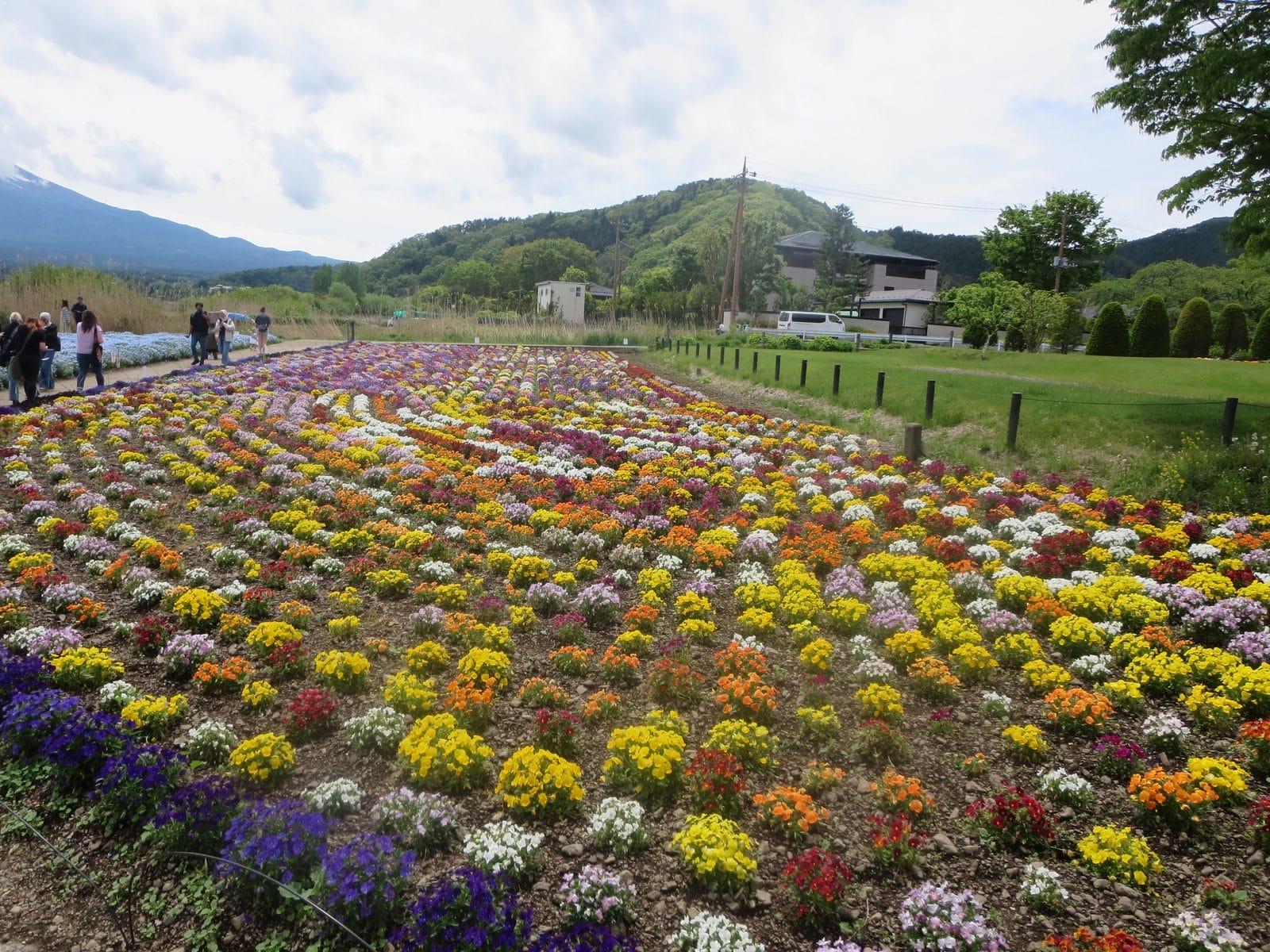
Tokyo could fill weeks on its own, but some of Japan’s best sights lie just beyond it. Some of the country’s most memorable places are surprisingly easy to reach in a day: the iconic cone of Mount Fuji reflected in a lake, hot-spring valleys in the mountains of Hakone, gilded shrines rising from the cedar forests of Nikko, and the Great Buddha and seaside temples of Kamakura.
On our trip, my mom and I took a private tour to Mt. Fuji and a day trip to Kamakura and Yokohama. Here’s what we learned.
📢 Affiliate Disclosure: This post contains affiliate links to Viator, Klook and Amazon. If you book or buy through our links, The Wandering Adventurer earns a small commission at no extra cost to you. Thank you for supporting independent travel content!
🗓️ Last updated: November 2026. Prices, opening hours and tours change, so check the official sites before you go.
These four day trips from Tokyo offer different ways to explore beyond the city, with guided options for travelers who prefer organized transport — and notes on exactly what each featured tour covers.
🗓 Quick Book: Best Tokyo Day Trips
| Experience | Best For | Travel Time | Booking |
|---|---|---|---|
| 🗻 Mount Fuji & Hakone Tour | Fuji views, ropeway & Lake Ashi | ~2 hours | See This Tour → | Klook |
| ⛩️ Nikko World Heritage Tour | Shrines, lakes & waterfalls | ~2 hours | See This Tour → | Klook |
| 🌊 Kamakura & Enoshima Tour | The Great Buddha & the coast | ~1 hour | See This Tour → | Klook |
| ♨️ Private Hakone Tour with Onsen | A personal guide & hot springs | ~1.5 hours | See This Tour → | Klook |
Travel times are approximate one-way journeys from central Tokyo to each area (Hakone-Yumoto for Hakone) and vary by route, departure point and traffic.
💡 Planning Tip: Mount Fuji and Nikko tours fill up on weekends and during cherry blossom and autumn foliage season. Stops can change because of weather or traffic, so check each itinerary before booking.
🗻 1. Mount Fuji & the Fuji Five Lakes

⏱️ Time needed: Full day | 📍 Area: Yamanashi & Shizuoka | 🗻 Best for: Japan’s most iconic views | 🚌 Getting there: About 2 hours by highway bus from Shinjuku to Kawaguchiko
Japan’s highest peak at 3,776 meters, Mount Fuji is a UNESCO World Heritage Site and one of the great sights of the world. If you plan to climb it, the climbing season runs from early July to September 10, all trails charge ¥4,000 per climber, and the Yoshida Trail caps climbers at 4,000 a day. You don’t need to climb it to feel its presence — the reflections in Lake Kawaguchiko, the view of the perfect cone from Lake Yamanakako, and the panoramas from the Fifth Station are reason enough to go.
Fuji Five Lakes tours focus on Kawaguchiko and nearby viewpoints. Mount Fuji–Hakone combination tours follow a different route, often pairing the Fifth Station with Hakone’s ropeway and Lake Ashi. Choose the itinerary that includes the places you most want to see.
💡 Insider Tip: Mount Fuji is often cloud-covered, especially in summer. The best visibility is typically in winter and early spring. Check the forecast the morning of your trip — a clear day makes an enormous difference.
⭐ Featured Tour: Mt Fuji & Hakone 1-Day Bus Tour, Return by Bullet Train
A coach trip to Mount Fuji’s Fifth Station, then on to Hakone for the ropeway and a Lake Ashi cruise, returning to Tokyo by shinkansen. Lunch is included only with the lunch option, and stops may change because of weather or operating conditions. JR Pass holders should look at the bus-return version instead.
We took a private tour to Mt. Fuji. The weather kept us from going up to the 5th Station, but we got a quick glimpse of the mountain when it peeked out from the clouds. Fuji is often hidden by cloud, so keep your expectations flexible.
⛩️ 2. Nikko — Shrines in the Mountains
⏱️ Time needed: Full day | 📍 Area: Tochigi | ⛩️ Best for: Shrine architecture & mountain scenery | 🚆 Getting there: About 2 hours from Tokyo by limited express train
Nikko is a historic mountain destination known for its UNESCO-listed shrines and temples, where elaborately carved and gold-leafed buildings rise from ancient cedar forests. Toshogu Shrine, the mausoleum of the first Tokugawa shogun, is a dazzling example of Japanese decorative architecture, with nearly every surface carved, painted and gilded. Look for the famous “see no evil, hear no evil, speak no evil” monkey carving at Toshogu.
💡 Insider Tip: Nikko is stunning in autumn, when the surrounding mountains blaze with fall color — but that’s also when traffic is heaviest. Lake Chuzenji and Kegon Falls sit higher up the mountain road, so a tour saves you juggling local buses.
⭐ Featured Tour: Nikko World Heritage One-Day Tour from Tokyo
A coach trip from Tokyo combining Toshogu Shrine, Lake Chuzenji and Kegon Falls, with admission fees included. Lunch depends on the option you select. During peak foliage traffic in autumn, the lake and falls may be skipped, so check the listing for your date.
🌊 3. Kamakura — The Great Buddha
⏱️ Time needed: Full day | 📍 Area: Kanagawa coast | 🌊 Best for: Temples, hiking & the coast | 🚆 Getting there: About 1 hour from Tokyo Station by JR train
Kamakura is a coastal town about an hour from Tokyo, home to one of the most iconic sights in Japan: the Great Buddha of Kotoku-in, a bronze statue of Amida Buddha seated in the open air. The statue stands approximately 11.3 meters tall, reaching 13.35 meters including its base, and dates from the Kamakura period. The town is also full of temples, forested hiking trails and excellent seafood, and nearby Enoshima Island adds shrines and sea views.
💡 Insider Tip: Visiting independently? The Daibutsu Hiking Trail connects the Kita-Kamakura area with the Great Buddha. Allow about an hour to an hour and a half for the trail itself, plus time for temple visits. Wear shoes with grip and check conditions after heavy rain.
⭐ Featured Tour: Kamakura & Enoshima One-Day Bus Tour
A coach day trip combining Kamakura’s shrines and temples with Enoshima Island, with Hasedera and Great Buddha admission included. Lunch isn’t included, and English and Chinese commentary may be given on the same bus. This tour doesn’t include the hiking trail.
We took a day trip to Kamakura and walked the beach looking for sea glass, then stopped in Yokohama on the way back to wander Chinatown, the largest in Japan, and try some food.
♨️ 4. Hakone — Hot Springs & Fuji Views
⏱️ Time needed: Full day | 📍 Area: Kanagawa mountains | ♨️ Best for: Onsen, ropeway & lake views | 🚆 Getting there: About 1.5 hours from Shinjuku to Hakone-Yumoto by Romancecar train
Hakone is a hot-spring resort area within Fuji-Hakone-Izu National Park, with traditional ryokan, a dramatic ropeway over the steaming volcanic vents of Owakudani, Lake Ashi with its reflections of Mount Fuji on clear days, and the Hakone Open-Air Museum. Soaking in an onsen with mountain views is one of the great Japanese experiences.
💡 Insider Tip: Going on your own? The Hakone Free Pass from Shinjuku covers the round-trip Odakyu fare plus most local trains, buses, the ropeway and the Lake Ashi boats, from ¥7,100 (about $45) for 2 days; the Romancecar needs a separate limited-express ticket. Hakone-Yumoto is just the gateway — the ropeway, Owakudani and Lake Ashi are further up the mountain, so allow extra time to reach them. Many onsen don’t allow tattoos in shared baths; a private bath is the easy alternative.
⭐ Featured Experience: Private Hakone Tour with Onsen
A private guided Hakone day using public transportation, with sightseeing and an onsen stop. Your own transport passes, ropeway tickets, bathing charges and meals may be additional — check the full inclusions before booking.
💡 Tokyo Day Trip Planning Tips
- Is a JR Pass worth it? Don’t buy a nationwide JR Pass solely for these Tokyo day trips without comparing individual fares. It may make sense as part of a longer itinerary with substantial intercity rail travel. A 7-day pass costs ¥50,000 (about $320) on the official site, or ¥53,000 through overseas agents since October 1, 2026. Check covered routes and where to buy on the official Japan Rail Pass site.
- Start early: Leaving Tokyo by 8am gives you a full, unhurried day. Popular sites like Mount Fuji and Kamakura get busy by mid-morning.
- Check the weather: Mount Fuji is cloud-covered on many days, and mountain weather in Hakone and Nikko can be much cooler than Tokyo. Pack a light layer. See our travel packing guide for a full checklist.
- Book tours in advance: Guided day tours from Tokyo fill up, especially for Fuji on weekends and during cherry blossom season.
📦 Travel Essentials for Your Day Trips
- INIU Power Bank – keep your phone charged
- Sony WH-1000XM6 – block out noise on long rides
- Kobo – perfect for downtime
❓ Tokyo Day Trips: Frequently Asked Questions
Which Tokyo day trip should I choose if I only have time for one?
Choose a Fuji Five Lakes itinerary for lakeside views of Mount Fuji, or a Fuji–Hakone combination for a broader sightseeing day. Choose Nikko for shrine architecture and mountain scenery, or Kamakura for temples and the coast. Check the exact stops before booking; onsen bathing isn’t included in every Hakone tour.
How early do I need to leave Tokyo for a day trip?
Aim to leave by 8am. Popular destinations like Mount Fuji and Kamakura get noticeably busier by mid-morning, and an early start gives you a full, unhurried day rather than a rushed half-day.
Is it better to book a guided tour or go independently?
A guided tour is worth it for Mount Fuji and Nikko, where the sights are spread out and local transport takes planning. Hakone and Kamakura are easy to do independently by train if you prefer a self-guided day.
When is the best time of year to see Mount Fuji clearly?
Winter and early spring offer the clearest air and the best chance of an unobstructed view. Mount Fuji is frequently cloud-covered in summer, so checking the forecast the morning of your trip makes a real difference.
Is a JR Pass worth it for these day trips?
Usually not on its own. Compare individual fares for your planned day trips first. A nationwide JR Pass may make sense as part of a longer itinerary with substantial intercity rail travel, so check the current price and covered routes on the official Japan Rail Pass site.
How much is the Hakone Free Pass?
From Shinjuku it costs ¥7,100 (about $45) for 2 days or ¥7,500 for 3 days, and covers most trains, buses, the ropeway and the Lake Ashi boats. The Romancecar needs a separate limited-express ticket.
Plan the Rest of Your Tokyo Trip
Things to do in the city, a 3-day plan for first-timers, and what to pack for spring.
This post contains affiliate links to Viator, Klook and Amazon. The Wandering Adventurer may earn a small commission if you book or buy through our links, at no extra cost to you. Thank you for supporting independent travel content!
Leave a Reply