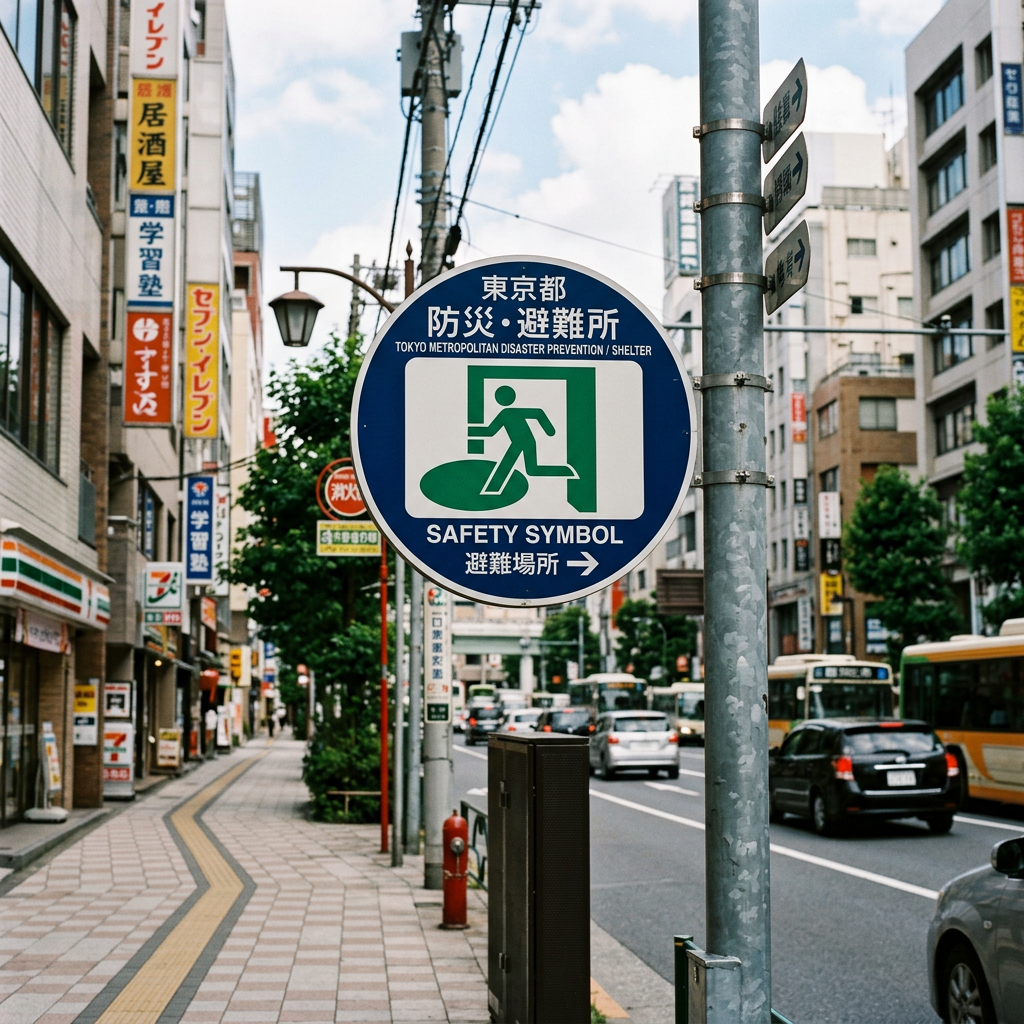
Tokyo has a relatively low crime risk for visitors, and most travelers explore the city comfortably using normal precautions. Petty crime does happen, but the risks worth knowing about are more specific: nightlife scams, overcharging and drink spiking in some entertainment districts, a few logistics quirks of a still cash-heavy society, and knowing what to do in an emergency.
Quick Answer: Yes, Tokyo is a safe city for most tourists. Violent crime against visitors is uncommon. The main risk is nightlife scams — touts, overcharging and drink spiking — which you can largely avoid once you know the pattern.
The Real Risk: Nightlife Scams, Not Street Crime
Tokyo’s most notable tourist scams are concentrated in entertainment and nightlife areas, particularly parts of Shinjuku (including Kabukicho) and Roppongi. Similar problems can happen elsewhere, so the rule matters more than the map:
- Street touts approach with offers of cheap drinks or company at a nearby bar, then charge extortionate, undisclosed prices once you’re inside, sometimes with pressure to pay before you can leave.
- Drink spiking has been reported in some of these venues, followed by robbery or unauthorised card charges while the victim is incapacitated. This is the one safety concern in Tokyo worth taking seriously.
- Golden Gai, Shinjuku’s tiny-bar alleyway, has bars with their own cover charges and pricing policies, so check the menu and any seating or cover charge before ordering.
The fix is simple: never follow a street tout into an unfamiliar bar, always check prices before ordering, and don’t accept drinks from strangers or leave your glass unattended.
Insider Tip: If you want Kabukicho’s atmosphere without the scam risk, research and pick your bar in advance rather than following anyone who approaches you on the street. The scam depends on you walking in blind.
Other Things to Watch For
- The fake monk. If someone dressed as a monk approaches you near a temple or station offering a trinket and then pressures you for a donation, decline and walk away. Don’t hand over money because you’re shown a donation ledger or asked to match a previous amount.
- Late-night taxis. Use officially marked taxis or a reputable taxi or ride-hailing app, particularly after the trains stop running.
Which Neighborhoods Feel Safest
Most central Tokyo neighborhoods used by tourists have a relatively low crime risk. Marunouchi, Ginza and Ebisu are generally quieter at night than nightlife-heavy areas such as Kabukicho and parts of Roppongi. Shibuya is much busier, especially in the evening, so normal awareness in crowds is sensible. Kabukicho and Roppongi aren’t places you need to avoid entirely, but take extra care around bars, clubs, touts and unfamiliar venues at night.
Solo Female Travelers
Tokyo can be a comfortable destination for solo female travelers, and many women travel there independently. However, harassment and unwanted touching can occur, particularly on crowded trains. Some lines run women-only cars during rush hour, and the usual nightlife precautions apply, especially around unfamiliar bars and clubs.
Practical Notes: Cash, ATMs, Lost Property & Medication
- Cash: Japan still uses cash more than many travelers expect, though card and contactless payments are increasingly common. Carry some yen for small restaurants, temples, vending machines and places that don’t take your card, and top up as needed.
- ATMs: 7-Eleven and Japan Post Bank ATMs are commonly used by international visitors, although compatibility and fees depend on your card issuer.
- Lost property: If you lose something, report it to station staff or the police. Tokyo has an established lost-property system, so it’s worth filing a report rather than assuming the item is gone.
- Prescription medication: Japan restricts some medications that are commonly prescribed elsewhere, including some ADHD medications. Check your exact medication with Japan’s Ministry of Health before you travel rather than assuming a foreign prescription makes it legal to bring in.
If You Need Help
- Police: 110
- Fire and ambulance: 119
- Japan Visitor Hotline (JNTO): 050-3816-2787 (from overseas +81-50-3816-2787) — 24 hours a day, 365 days a year, in English, Chinese and Korean, including help during emergencies and natural disasters.
Earthquakes and severe weather: Japan is earthquake-prone, so it’s worth knowing where to get official information. Follow instructions from hotel or station staff during an emergency, and rely on official Japanese weather and disaster alerts rather than social media rumours. The visitor hotline above can help in English.
Planning the rest of your trip? Check out our Tokyo Travel Guide, Tokyo Food Guide, Best Time to Visit Tokyo, and Where to Stay in Tokyo.
Tokyo Safety: FAQs
Is Tokyo safe to visit right now?
Yes. Tokyo has a relatively low crime risk for visitors, and normal precautions are enough for most trips. The main documented risk is nightlife scams, overcharging and drink spiking in some entertainment districts.
Is Kabukicho dangerous?
You don’t need to avoid it entirely, but it’s one of the main areas for tout scams, overcharging and reported drink spiking. Don’t follow street touts into unfamiliar bars, confirm prices before ordering, and keep an eye on your drink.
Is Tokyo safe for solo female travelers?
Tokyo generally has a low crime risk, and many women travel there independently. However, harassment and unwanted touching can occur on crowded public transport, and normal nightlife precautions still apply. Some lines run women-only cars at rush hour.
What number do I call in an emergency in Tokyo?
Call 110 for police and 119 for fire or an ambulance. The Japan Visitor Hotline, 050-3816-2787, offers 24-hour help in English, Chinese and Korean.
Do I need cash in Tokyo?
Some. Cards and contactless payments are increasingly common, but small restaurants, temples and vending machines may need cash. Carry some yen and top up at 7-Eleven or Japan Post Bank ATMs, checking your card issuer’s fees.
More Tokyo Guides
Ready to plan the rest of your trip? Here’s what else to check.
Leave a Reply