Most people overpay for travel. Not because good deals don’t exist — they absolutely do — but because most travellers don’t know when to book, where to look, or how to avoid the hidden costs that quietly inflate what should have been a bargain trip into an expensive one.
📢 Affiliate Disclosure: This post contains affiliate links to Viator, Klook, and other travel platforms. If you book through our links, The Wandering Adventurer earns a small commission at no extra cost to you. We only recommend platforms we genuinely use and trust. Thank you for supporting independent travel content!
This guide shares the booking strategies, tools, and insider knowledge that experienced travellers use to save hundreds — sometimes thousands — on flights, hotels, tours, and cruises. Whether you’re planning a European city break, a Caribbean cruise, or a Japan adventure, these tips apply to almost every trip.
✈️ 1. How to Find Cheaper Flights
Flights are typically the single biggest cost in any trip, and also the most variable — the same seat can cost three times as much depending on when and how you book. Here’s what actually moves the needle:
Book at the right time. The sweet spot for most international flights is 2–3 months before departure. Booking too far in advance (6+ months) often means you’re paying a premium; booking too late means prices spike. For domestic flights, 3–6 weeks out is often optimal. Flexible travellers can also find excellent last-minute deals within 2–3 weeks of departure when airlines cut prices on unsold seats.
Be flexible on dates. Flying on a Tuesday, Wednesday, or Saturday is consistently cheaper than flying on a Friday or Sunday. Even shifting your departure by one day can save significantly. Use Google Flights’ calendar view or flexible date search to see the full price landscape across a month.
Use fare alerts. Set up Google Flights or Skyscanner price alerts for your route. When the fare drops to your target price, you’ll get a notification. This is the single most passive and effective way to catch deals on routes you’re monitoring.
Consider nearby airports. Flying into a secondary airport near your destination — London Gatwick instead of Heathrow, Paris Beauvais instead of CDG, or Barcelona El Prat on a budget carrier — can save hundreds. Factor in the transfer cost and time to get a true comparison.
💡 Pro Tip: Search flights in incognito/private browsing mode. Some booking sites use cookies to track repeated searches and gradually increase prices. Incognito mode ensures you always see the freshest, untracked pricing.
🏨 2. How to Save Money on Hotels & Accommodation
Hotels have some of the most complex and opaque pricing in the travel industry. Here’s how to cut through it:
Always check the hotel’s own website. After finding a hotel on Booking.com or Expedia, always check the hotel’s direct website. Hotels often match or beat OTA prices for direct bookings, and direct bookings frequently come with added perks — free breakfast, room upgrades, flexible cancellation — that OTA bookings don’t include.
Book refundable rates when possible. The price difference between refundable and non-refundable rates is rarely worth the risk. Book refundable, keep monitoring prices, and rebook if the price drops significantly. Cancel the original booking once you’ve secured the better rate.
Consider apartments for longer stays. For trips of 5+ nights, serviced apartments or vacation rentals are often significantly cheaper per night than hotels, especially for families or groups, and include kitchen facilities that eliminate the cost of eating every meal out.
Stay just outside the tourist centre. Hotels one or two metro stops from the main tourist zone are often 30–50% cheaper than those in the middle of it. With a good transit card, the extra travel time is minimal and the savings are substantial.
💡 Pro Tip: If you’re travelling to a destination covered in our guides — like London, Paris, Barcelona, or Tokyo — our destination guides include neighbourhood breakdowns that help you choose the best-value area to stay in.
🎫 3. How to Book Tours & Experiences for Less
Tours and experiences are one of the most rewarding parts of any trip — and also one of the most over-priced when booked through the wrong channel. Here’s how to book smarter:
Never book tours through your hotel or cruise ship. Hotel concierges and cruise lines charge a premium — often 30–50% more than the same tour booked independently. A guided tour of the Sagrada Família booked through your cruise line might cost $80; the same tour on Viator or Klook is typically $35–40.
Use Viator and Klook. These are the two largest tour booking platforms in the world and almost always offer the best pricing on guided experiences, skip-the-line tickets, day trips, and activities. Both have free cancellation options on most bookings. 👉 Browse Viator experiences → | Browse Klook experiences →
Book skip-the-line tickets in advance. For the world’s most visited attractions — Sagrada Família, the Colosseum, Fushimi Inari, the Eiffel Tower — booking timed entry in advance isn’t just about saving money, it’s about saving hours of queuing time. Many sell out days or weeks ahead in peak season.
Free walking tours are genuinely excellent. Most major cities have free walking tours run by knowledgeable local guides who work on tips. They’re a brilliant way to orientate yourself on day one, pick up insider recommendations, and understand the city’s history without paying for a private guide. Tip generously — they earn it.
City passes can be worth it. If you’re visiting multiple paid attractions in one city, a city pass — like the Paris Museum Pass, the London Explorer Pass, or the Osaka Amazing Pass — can save significant money. Do the maths before you buy: add up the individual entry prices of what you’ll actually visit, and only buy if the pass genuinely covers them.
Browse our destination guides for specific experience recommendations with direct booking links: Paris, London, Amsterdam, Barcelona, Athens, New York, and Tokyo.
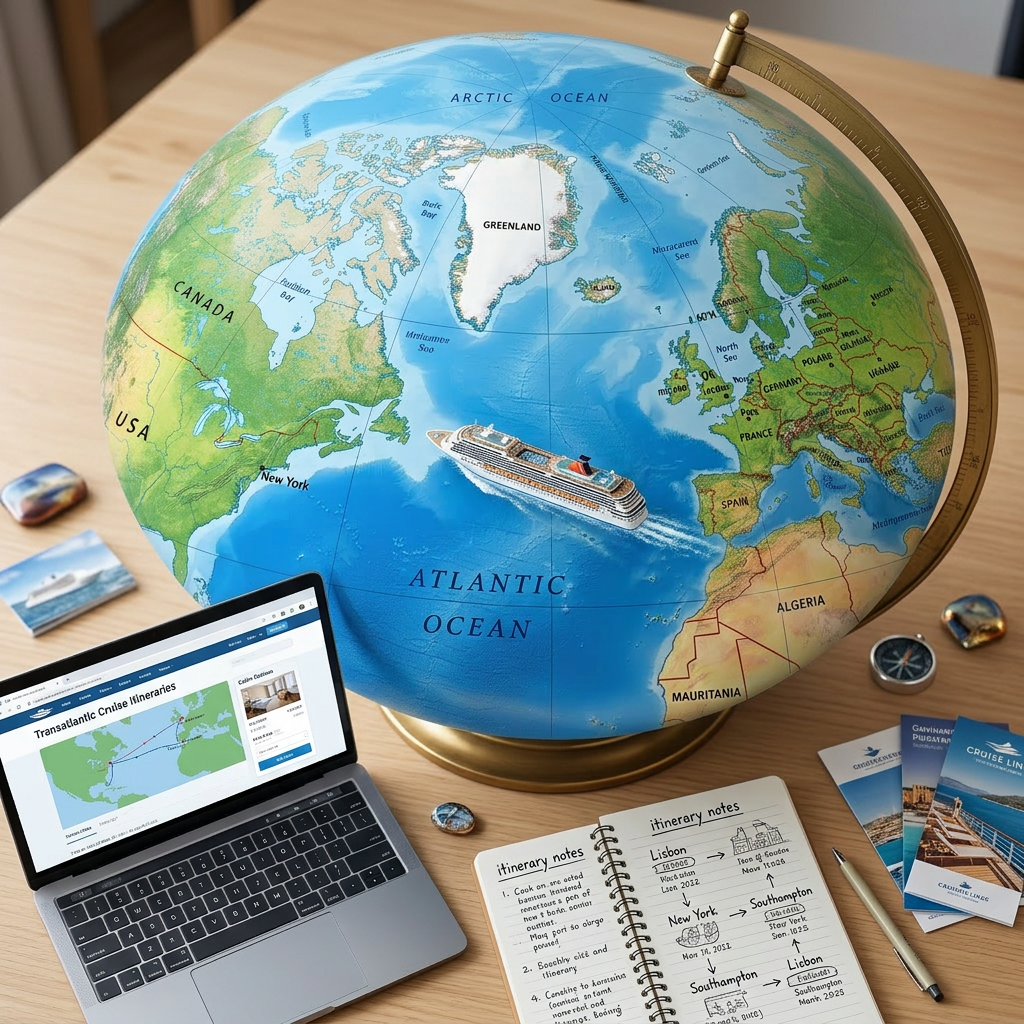
🚢 4. How to Book a Cruise for Less
Cruise pricing is one of the most dynamic in travel — the same cabin can have wildly different prices depending on when you book, which promotions are running, and how full the ship is. Here’s how to get the best deal:
Book early or book late — avoid the middle. The best cabin selection and pricing is available 12+ months before sailing. But if you’re flexible, last-minute deals within 60–90 days of departure can be exceptional — cruise lines would rather fill a cabin at a discount than sail empty. The worst time to book is 3–6 months out, when prices are often at their highest.
Watch for promotional perks. Cruise lines regularly run promotions offering free drinks packages, onboard credit, pre-paid gratuities, or free specialty dining. These add-ons can be worth hundreds of dollars and often make a slightly higher fare better value than a cheaper one without perks.
Book shore excursions independently. This is one of the biggest savings available to cruisers. Cruise line shore excursions are consistently 30–50% more expensive than the same tour booked on Viator or Klook. The main caveat: if you book independently and run late returning to port, the ship won’t wait for you. Always build in plenty of buffer time and book with reputable operators. 👉 Browse Caribbean shore excursions on Viator →
Use a travel agent who specialises in cruises. Contrary to popular belief, using a specialist cruise travel agent costs nothing extra — they’re paid by the cruise lines — and can access group rates, exclusive onboard credit, and promotions that aren’t available to the general public.
New to cruising? Our First-Time Cruiser Tips and How to Save Money on a Cruise go deep on cruise-specific booking strategy.
💳 5. Travel Cards & Avoiding Bank Fees Abroad
Hidden bank fees are one of the most overlooked ways that travel budgets get quietly eaten. Using the wrong card abroad can add 3–5% to every transaction — on a $3,000 trip, that’s $90–150 in fees you didn’t need to pay.
Get a no-foreign-transaction-fee travel credit card. Cards like the Chase Sapphire, Capital One Venture, or Scotiabank Passport Visa (for Canadians) charge zero foreign transaction fees and often earn travel points on every purchase. The points alone can fund flights and hotels over time.
Use a Wise or Revolut card for cash withdrawals. These fintech cards offer real mid-market exchange rates with minimal fees for ATM withdrawals abroad — far better than airport exchange bureaux or bank ATMs with dynamic currency conversion. Load the card before you travel.
Always pay in local currency. When a card machine or ATM asks if you want to pay in your home currency (this is called Dynamic Currency Conversion), always decline. Always pay in the local currency. The exchange rate offered by DCC is almost always terrible.
Carry some cash. Japan is famously cash-heavy. Rural areas across Europe prefer cash. Many street food markets, small temples, and local taxis don’t accept cards. Withdraw local currency from a bank ATM at your destination rather than exchanging cash at airport kiosks, which have the worst rates.
💡 Pro Tip: In Japan, 7-Eleven convenience store ATMs reliably accept foreign cards and offer excellent exchange rates. They’re everywhere — including inside train stations. Our Tokyo Travel Guide has more on managing money in Japan.
🛡️ 6. Travel Insurance: The Booking You Should Never Skip
Travel insurance is the least glamorous item on any trip budget and the one most likely to save you thousands. Medical evacuation from a remote location can cost $50,000+. A cancelled trip due to illness can mean losing thousands in non-refundable bookings. A delayed bag can mean a week of travel without your belongings.
Book it when you book your trip. The most important thing about travel insurance is that it covers cancellation from the moment you buy it — not the moment you travel. If you book a trip and then get ill before departure, only insurance purchased before you got ill will cover you.
What to look for in a policy: Medical coverage (minimum $1–2 million), medical evacuation, trip cancellation and interruption, baggage delay and loss, and 24/7 emergency assistance. For cruisers, look specifically for cruise-specific policies that cover missed port departures and itinerary changes.
Annual multi-trip policies are great value for frequent travellers. If you take 3+ trips a year, an annual policy almost always works out cheaper than buying single-trip cover each time, and it means you’re always protected without needing to remember to buy insurance for each trip.
📱 7. The Best Travel Apps to Book and Manage Your Trip
The right apps make planning, booking, and managing a trip dramatically easier. Here are the ones worth having on your phone:
- Google Flights — the best flight search tool available. Flexible date search, price calendar, and fare tracking make it essential for finding the best flight deals.
- Viator — the world’s largest tours and experiences platform. Browse, compare, and book skip-the-line tickets and guided experiences for almost any destination. 👉 Browse Viator →
- Klook — particularly strong for Asia-Pacific destinations. Competitive pricing on tours, attraction tickets, and transport passes for Japan, Singapore, Hong Kong, and more. 👉 Browse Klook →
- TripIt — forward your booking confirmation emails and TripIt automatically builds a master itinerary with all your flights, hotels, transfers, and tours in one place.
- Google Translate with offline languages downloaded — essential for non-English-speaking destinations. Download the language packs before you travel so they work without data.
- Maps.me or Google Maps offline — download offline maps for every destination before you arrive. Invaluable when you have no data signal or are avoiding expensive international roaming.
🗺️ More Travel Tips & Destination Guides
- 🚢 First-Time Cruiser Tips: Everything You Need to Know
- 🚢 How to Save Money on a Cruise: 15 Tips That Actually Work
- 🚢 Shore Excursion Tips: How to Plan the Perfect Cruise Port Day
- 🗺️ Best Day Trips from London
- 🗺️ Best St. Thomas Cruise Port Excursions
- 🗺️ Top Excursions in Cancun
This post contains affiliate links. The Wandering Adventurer may earn a small commission if you book through our links, at no extra cost to you. Thank you for supporting independent travel content!
Leave a Reply