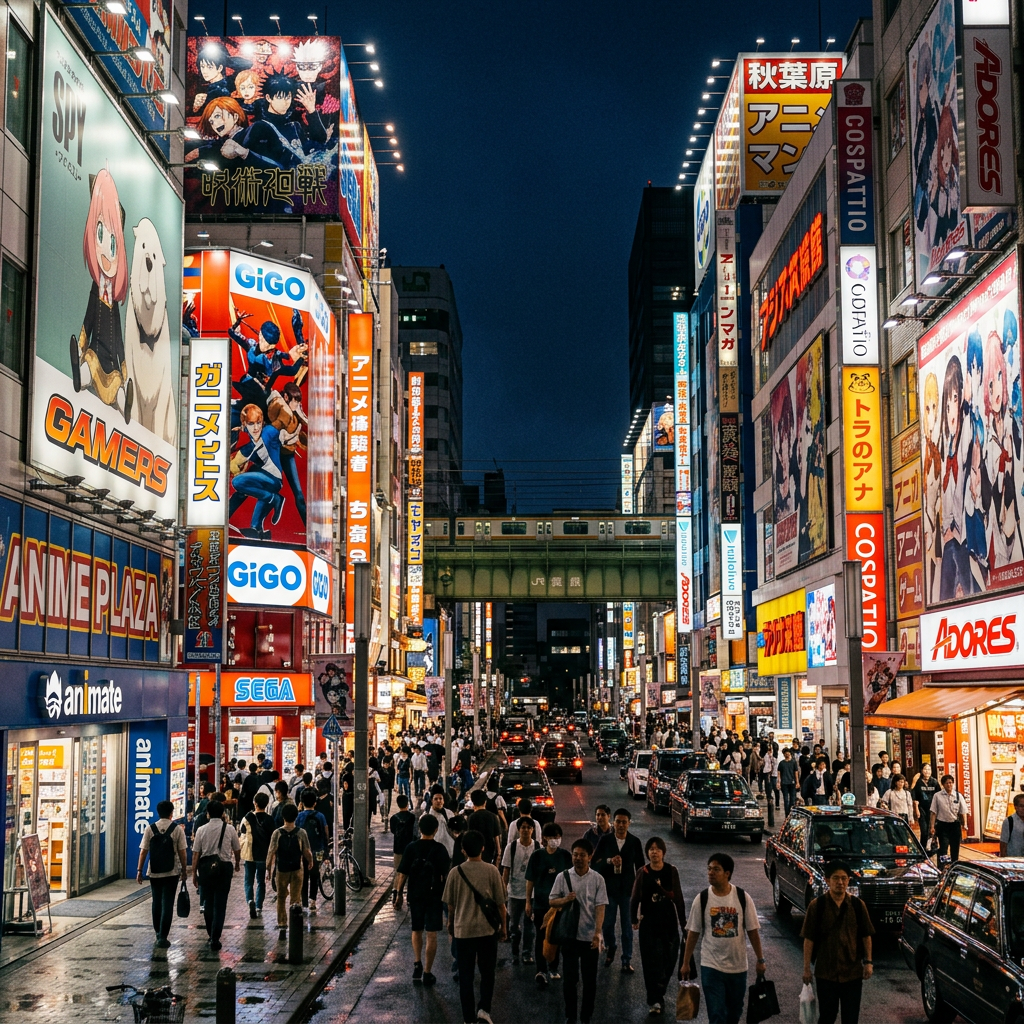
Tokyo is one of the great cities of the world — a place of such density, variety, and constant surprise that even long-time residents discover something new every week. It is simultaneously the most technologically advanced urban environment on earth and a city of intimate neighbourhood streets, ancient temples, and rituals unchanged for centuries. The contrast between the neon-lit canyons of Shinjuku and the moss-covered stone lanterns of Yanaka Cemetery a few kilometres away is not a contradiction; it is the essential Tokyo experience.
📢 Affiliate Disclosure: This post contains affiliate links to Viator and Klook. If you book through our links, The Wandering Adventurer earns a small commission at no extra cost to you. Thank you for supporting independent travel content!
This guide covers the top things to do in Tokyo — with Viator and Klook booking links, costs, subway stops, addresses, and insider tips for every attraction. If you’re planning to book multiple experiences, the Klook Tokyo Pass bundles top Tokyo attractions and transport into one pass and can save you significantly.
🗓️ Quick Book: Top Tokyo Experiences
| Experience | Duration | Price from | Book |
|---|---|---|---|
| ⛩️ Senso-ji & Asakusa Tour | 3 hrs | ¥2,500 (~$17) | Viator | Klook |
| 🌊 teamLab Planets Ticket | 1.5 hrs | ¥3,200 (~$22) | Viator | Klook |
| 🌺 Mt Fuji Day Trip | Full day | ¥8,000 (~$55) | Viator | Klook |
| 🎯 Tokyo Food Tour | 3 hrs | ¥6,500 (~$45) | Viator | Klook |
| 🏀 Tokyo Skytree Ticket | 2 hrs | ¥2,100 (~$14) | Viator | Klook |
💡 Tip: teamLab Planets and popular tours sell out weeks in advance — always book ahead.
⛩️ 1. Senso-ji Temple & Asakusa
🕐 Time needed: 2–3 hours | 💶 Cost: Free | 🚇 Subway: Asakusa (Ginza Line / Asakusa Line) | 📍 Address: 2-3-1 Asakusa, Taito-ku, Tokyo 111-0032
Senso-ji is Tokyo’s oldest and most visited temple — a magnificent Buddhist complex founded in 628 AD that receives over 30 million visitors a year and yet somehow retains an atmosphere of genuine spiritual power. The approach through the Kaminarimon (Thunder Gate) and along the Nakamise shopping street, with its rows of souvenir stalls selling everything from crackers to traditional crafts, is one of the iconic urban experiences of Asia. The main hall at the end of the approach, wreathed in incense smoke and attended by worshippers and tourists in equal numbers, is both a working religious site and one of the most beautiful buildings in Tokyo.
The Asakusa neighbourhood surrounding the temple is Tokyo’s most complete survival of shitamachi (old downtown) culture — rickshaws, traditional craft shops, historic izakayas, and the sense of a Tokyo that existed before the 20th century.
💡 Insider Tip: Visit at 6am before the crowds arrive — the temple precinct in the early morning light, with monks performing rituals and the city just waking up, is one of the most atmospheric experiences Tokyo offers. The Nakamise stalls don’t open until 10am so the approach is completely clear. Return in the evening for the illuminated gate — it’s at its most beautiful after dark.
🎟️ Book a Senso-ji & Asakusa Tour via Viator or Klook
🚦 2. Shibuya Crossing & Shibuya District
🕐 Time needed: 2–3 hours | 💶 Cost: Free | 🚇 Subway: Shibuya (Yamanote Line / Ginza Line / Hanzomon Line) | 📍 Address: Shibuya Crossing, 2-2-1 Dogenzaka, Shibuya-ku, Tokyo 150-0043
Shibuya Crossing is the most famous pedestrian intersection in the world — a scramble crossing where all traffic stops simultaneously in every direction and a thousand people cross at once from six different directions. Standing in the middle of it is a genuine sensory rush; watching it from above (from the Mag’s Park observation area in Shibuya 109-2 or the Starbucks facing the crossing) is one of the quintessential Tokyo experiences. The broader Shibuya district is Tokyo’s youth fashion and entertainment hub — dense with department stores, independent boutiques, live music venues, and some of the city’s best ramen shops.
💡 Insider Tip: The best overhead view of the crossing is from the Shibuya Sky observation deck on the roof of Shibuya Scramble Square (admission ¥2,000) — on a clear day it offers a 360° panorama of the entire Tokyo skyline including Mt Fuji on clear winter mornings. The crossing is at its most dramatic at night when the neon signs are reflected in the wet pavement after rain.
🎟️ Book a Shibuya & Harajuku Tour via Viator or Klook
🎨 3. teamLab Planets (Toyosu)
🕐 Time needed: 1.5–2 hours | 💶 Cost: ¥3,200 (~$22) adults | 🚇 Subway: Shin-Toyosu (Yurikamome Line) | 📍 Address: 6-1-16 Toyosu, Koto-ku, Tokyo 135-0061
teamLab Planets is one of the most extraordinary immersive art experiences in the world — a 10,000 square metre space where visitors wade barefoot through rooms of infinite reflections, lie in fields of floating flowers, and become part of constantly shifting digital art installations. The work of the interdisciplinary art collective teamLab, it occupies a former fish market warehouse in Toyosu and sells out months in advance. The experience is genuinely unlike anything else — part gallery, part spa, part meditation, part spectacle — and the photographs it generates have made it one of the most-shared experiences in Asia.
💡 Insider Tip: Book tickets months in advance — teamLab Planets regularly sells out and tickets cannot be purchased at the door. Wear shorts or easy-to-remove trousers and bring a bag for your shoes (you’ll carry them through the water rooms). The experience in the afternoon is busier; morning slots have the best atmosphere. The adjacent teamLab Borderless in Azabudai Hills (reopened 2024) is equally extraordinary and less well-known.
🎟️ Book teamLab Planets Tickets via Viator or Klook
🍣 4. Tsukiji Outer Market
🕐 Time needed: 1.5–2 hours | 💶 Cost: Free to visit; breakfast/snacks ¥500–3,000 (~$3–21) | 🚇 Subway: Tsukiji (Hibiya Line) or Tsukijishijo (Oedo Line) | 📍 Address: 4-16-2 Tsukiji, Chuo-ku, Tokyo 104-0045
The inner Tsukiji tuna auction moved to Toyosu in 2018, but the Outer Market — the sprawling network of food stalls, knife shops, restaurant suppliers, and breakfast spots that surrounded the original market — remains one of the great Tokyo food experiences. The alleyways are lined with vendors selling the freshest sushi, tamagoyaki (rolled egg omelette), grilled scallops, fresh oysters, and extraordinary skewers of seafood from early morning. It is one of the best places in Tokyo to eat breakfast and to watch the serious business of Japanese food culture in action.
💡 Insider Tip: Arrive between 7–9am for the best atmosphere and freshest produce. The tamagoyaki shops on the main alley offer free samples — accept all of them. Sushi Dai and Daiwa Sushi (now in Toyosu) have legendary breakfast queues of 2–3 hours; the Outer Market’s smaller counters offer equally excellent sushi with no wait. A guided food tour takes the guesswork out of what to order and where.
🎟️ Book a Tsukiji Market Food Tour via Viator or Klook
🌸 5. Shinjuku Gyoen National Garden
🕐 Time needed: 1.5–2.5 hours | 💶 Cost: ¥500 (~$3.50) | 🚇 Subway: Shinjukugyoenmae (Marunouchi Line) or Sendagaya (Sobu Line) | 📍 Address: 11 Naitomachi, Shinjuku-ku, Tokyo 160-0014
Shinjuku Gyoen is Tokyo’s finest park — a 58-hectare oasis of calm in the middle of one of the world’s most intense urban environments, combining French formal gardens, English landscape gardens, and a magnificent Japanese garden around a series of tranquil ponds. In spring (late March to early April) it becomes the most celebrated hanami (cherry blossom viewing) location in Tokyo — over 1,000 cherry trees of 65 different varieties create a succession of bloom that lasts nearly a month. The park is alcohol-free (unlike most public hanami spots) which makes it significantly more pleasant.
💡 Insider Tip: For hanami, arrive when the park opens at 9am — by noon on a sunny weekend in late March the park is extraordinarily crowded. The weeping cherry trees (shidarezakura) near the Japanese garden section bloom earlier than the main Somei-Yoshino cherries and are among the most beautiful in the city. In early November the ginkgo and maple trees turn gold and crimson — the autumn colour is nearly as beautiful as the spring blossom.
🎟️ Book a Shinjuku Gyoen Cherry Blossom Tour via Viator
🦊 6. Meiji Shrine & Harajuku
🕐 Time needed: 2–3 hours | 💶 Cost: Free | 🚇 Subway: Harajuku (Yamanote Line) or Meijijingumae (Chiyoda/Fukutoshin Lines) | 📍 Address: 1-1 Yoyogikamizonocho, Shibuya-ku, Tokyo 151-8557
Meiji Shrine is Tokyo’s most important Shinto shrine — a serene forested sanctuary dedicated to Emperor Meiji and Empress Shoken, whose reigns oversaw Japan’s transformation from feudal isolationism to modern nation-state. The approach through towering torii gates along a wide gravel path through 170 acres of woodland is extraordinary — a complete removal from the urban intensity a few hundred metres away. The adjacent Yoyogi Park is Tokyo’s largest green space and the venue for impromptu rockabilly dance performances, picnics, and weekend flea markets.
💡 Insider Tip: New Year’s Day at Meiji Shrine is one of Japan’s great cultural spectacles — over three million people visit for the first shrine visit of the year (hatsumode), creating extraordinary queues but an atmosphere unlike any other. On any other day, early morning visits (before 8am) offer the shrine almost entirely to yourself.
🎟️ Book a Meiji Shrine & Harajuku Tour via Viator or Klook
🏯 7. Edo-Tokyo Museum & Akihabara
🕐 Time needed: 2–3 hours each | 💶 Cost: Edo-Tokyo Museum ¥600 (~$4); Akihabara free | 🚇 Subway: Ryogoku (Sobu/Oedo Lines) for museum; Akihabara (Yamanote/Hibiya Lines) | 📍 Museum address: 1-4-1 Yokoami, Sumida-ku, Tokyo 130-0015
The Edo-Tokyo Museum (currently undergoing renovation but expected to reopen in late 2025) is the finest museum for understanding the city’s history — a vast building housing life-size reconstructions of Edo-period townhouses, bridges, and marketplaces alongside extraordinary artefacts from 400 years of Tokyo life. Akihabara, ten minutes away by train, is the global epicentre of anime, manga, and electronics culture — a dazzling, overstimulating district of multi-storey electronics shops, retro video game arcades, maid cafés, and figure stores that is utterly unlike any other neighbourhood in the world.
💡 Insider Tip: Super Potato on Akihabara’s main street has the best collection of retro video games and consoles in Tokyo — a pilgrimage for anyone who grew up with Famicom or Super Nintendo. Yodobashi Camera in Akihabara is one of the largest electronics retailers in the world and worth seeing even if you’re not buying. Check renovation status of the Edo-Tokyo Museum before visiting.
🎟️ Book an Akihabara & Anime Culture Tour via Viator or Klook
🌆 8. Tokyo Skytree & Tokyo Tower
🕐 Time needed: 1.5–2 hours | 💶 Cost: Skytree from ¥2,100 (~$14); Tower from ¥1,200 (~$8) | 🚇 Subway: Oshiage (Tobu Skytree/Hanzomon Lines) for Skytree; Akabanebashi (Oedo Line) for Tower | 📍 Skytree address: 1-1-2 Oshiage, Sumida-ku, Tokyo 131-0045
Tokyo Skytree, at 634 metres, is the tallest tower in the world and offers the most extraordinary panoramic view of the Tokyo metropolitan area from its observation decks at 350m and 450m. On clear days (most common in autumn and winter) the view extends to Mount Fuji 100km away. Tokyo Tower, the older (1958) and more romantically designed Eiffel Tower-inspired structure in Minato-ku, offers excellent views at 150m and 250m and is arguably the more atmospheric of the two — particularly at night when it is illuminated in orange and white.
💡 Insider Tip: Book Skytree tickets online to skip the queues, which can be 90 minutes on weekends. Visit on a weekday morning in winter for the best chance of a Mt Fuji view. Tokyo Tower at night, seen from the outside, is one of the most beautiful sights in the city — the walk from Azabudai Hills to the tower at dusk is outstanding.
🎟️ Book Tokyo Skytree Tickets via Viator or Klook
🍜 9. A Tokyo Food Experience
🕐 Time needed: 3–4 hours | 💶 Cost: Food tours from ¥6,500 (~$45) | 🚇 Subway: Shinjuku (multiple lines) or Asakusa (Ginza/Asakusa Lines) | 📍 Start point: Varies by tour operator
Tokyo’s food scene is the finest in the world by most measures — the city has more Michelin stars than Paris, London, and New York combined, but its greatest experiences span every price point from ¥700 standing ramen to ¥30,000 omakase sushi. A guided food tour in Shinjuku, Asakusa, Shibuya, or Tsukiji is the single best investment for a first-time visitor — a knowledgeable guide navigates you through izakayas, ramen shops, yakitori counters, and standing sushi bars that most tourists walk past without realising what they’re missing. The specific styles worth experiencing: shoyu ramen (soy-based, a Tokyo original), tempura at a counter (watch it being fried to order), yakitori under the Yurakucho train tracks, and tamagoyaki at Tsukiji in the morning.
💡 Insider Tip: The basement food halls (depachika) of Tokyo’s major department stores — Isetan Shinjuku, Takashimaya Shinjuku, Mitsukoshi Ginza — are free to visit and represent the pinnacle of Japanese food craftsmanship. Spend an hour wandering through them even if you buy nothing; the presentation alone is worth the trip. Golden Gai in Shinjuku (dozens of tiny bars in a network of alleyways) is the most atmospheric drinking experience in the city.
🎟️ Book a Tokyo Food Tour via Viator or Klook
🌋 10. Day Trip to Mount Fuji & Hakone
🕐 Time needed: Full day (10–12 hours) | 💶 Cost: Guided day trips from ¥8,000 (~$55); self-guided from ¥2,500 train fare | 🚌 Getting there: Romancecar from Shinjuku to Hakone-Yumoto (~85 mins); Tokaido Shinkansen to Mishima then local bus to Fuji 5th Station | 📍 Fuji 5th Station address: Fujisan, Fujinomiya, Shizuoka
Mount Fuji, at 3,776 metres Japan’s highest mountain, is one of the most recognisable and sacred natural landmarks in the world — a perfectly symmetrical volcanic cone whose silhouette has defined Japanese aesthetic culture for a thousand years. Day trips from Tokyo typically visit the Fuji Five Lakes area (Kawaguchiko offers the classic Fuji-reflection-in-lake photograph) and/or Hakone, the volcanic hot spring resort town that offers extraordinary Fuji views and the remarkable Hakone Open Air Museum. The Hakone Ropeway over the volcanic Owakudani valley, with Mt Fuji visible on clear days, is one of the great short journeys in Japan.
💡 Insider Tip: Fuji is most visible in winter (October–April) when the air is clearest and the snowcap is most dramatic. In July and August (climbing season) it is often cloud-covered. If climbing, book the 5th Station bus transfer well in advance and start the ascent at midnight to reach the summit for sunrise — one of the great experiences in Japan. The Hakone Free Pass (¥4,600 for 2 days) covers all transport within Hakone including the ropeway, boat, and buses.
🎟️ Book a Mount Fuji & Hakone Day Trip via Viator or Klook
🍽️ What to Eat & Drink in Tokyo
Tokyo has more Michelin-starred restaurants than any other city on earth — but its greatest food experiences are just as often found at a ¥700 standing ramen counter. Ramen is the essential Tokyo food experience: try tonkotsu (pork broth) in Shinjuku, shoyu (soy) in Asakusa, or the transcendent tsukemen (dipping ramen) at Fuunji near Shinjuku Station. Sushi ranges from conveyor belt kaiten-zushi (¥100–200 per plate) to the extraordinary omakase counters of Ginza (¥30,000+) — both are worth experiencing. Yakitori (grilled chicken skewers) eaten under the train tracks at Yurakucho is one of Tokyo’s great atmospheric food rituals. For breakfast, a tamago sando (egg salad sandwich) from a convenience store (7-Eleven or Lawson) is genuinely excellent and costs ¥230. Tempura at Kanda Mikuni or tonkatsu (breaded pork cutlet) at Maisen in Omotesando are essential Japanese comfort food experiences. To drink: Japanese whisky (try Suntory Toki or Nikka) at any standing bar in Shinjuku’s Golden Gai, or cold Sapporo draft at a yakitori counter. Don’t leave without eating at least once in a depachika (department store basement food hall) — the basement of Isetan Shinjuku or Takashimaya is a jaw-dropping world of Japanese food craft.
💡 Practical Tips for Tokyo
- Getting around: Tokyo’s train and subway network is the finest in the world — clean, punctual to the second, and comprehensive. Buy a Suica or Pasmo IC card (available at any major station) for tap-in/tap-out on all trains, subways, and buses. Google Maps Tokyo directions are reliable and show exact train times.
- Cash: Japan remains cash-heavy despite recent changes. ATMs at 7-Eleven and Japan Post accept most foreign cards reliably; others can be unreliable. Carry ¥10,000–20,000 at all times.
- Pocket WiFi/SIM: Essential. Order a pocket WiFi device or eSIM before arrival — Klook and several Japan-specialist providers offer 4G data from ¥500/day. Without internet, navigating Tokyo is significantly harder.
- IC Cards: Suica and Pasmo can also be used to pay at convenience stores, vending machines, and many taxis. Load ¥3,000–5,000 and top up as needed.
- Etiquette: Don’t eat while walking (outside festival contexts). Speak quietly on trains. Queuing is taken seriously — always join the marked queue lines on platforms. Tipping is not practised and can cause mild confusion.
- Best time to visit: Late March–early April (cherry blossom) and October–November (autumn colour) are the most beautiful times. July–August is hot and very humid. Winter (December–February) is cold but clear, with excellent Mt Fuji visibility and no crowds.
🎟️ Browse all Tokyo experiences: All Tokyo tours and activities on Viator | Klook Tokyo Pass
More Tokyo & Japan Guides
Tokyo is just the beginning. Explore our full Japan and Asia travel guide collection.
This post contains affiliate links to Viator and Klook. The Wandering Adventurer may earn a small commission if you book through our links, at no extra cost to you.
Leave a Reply