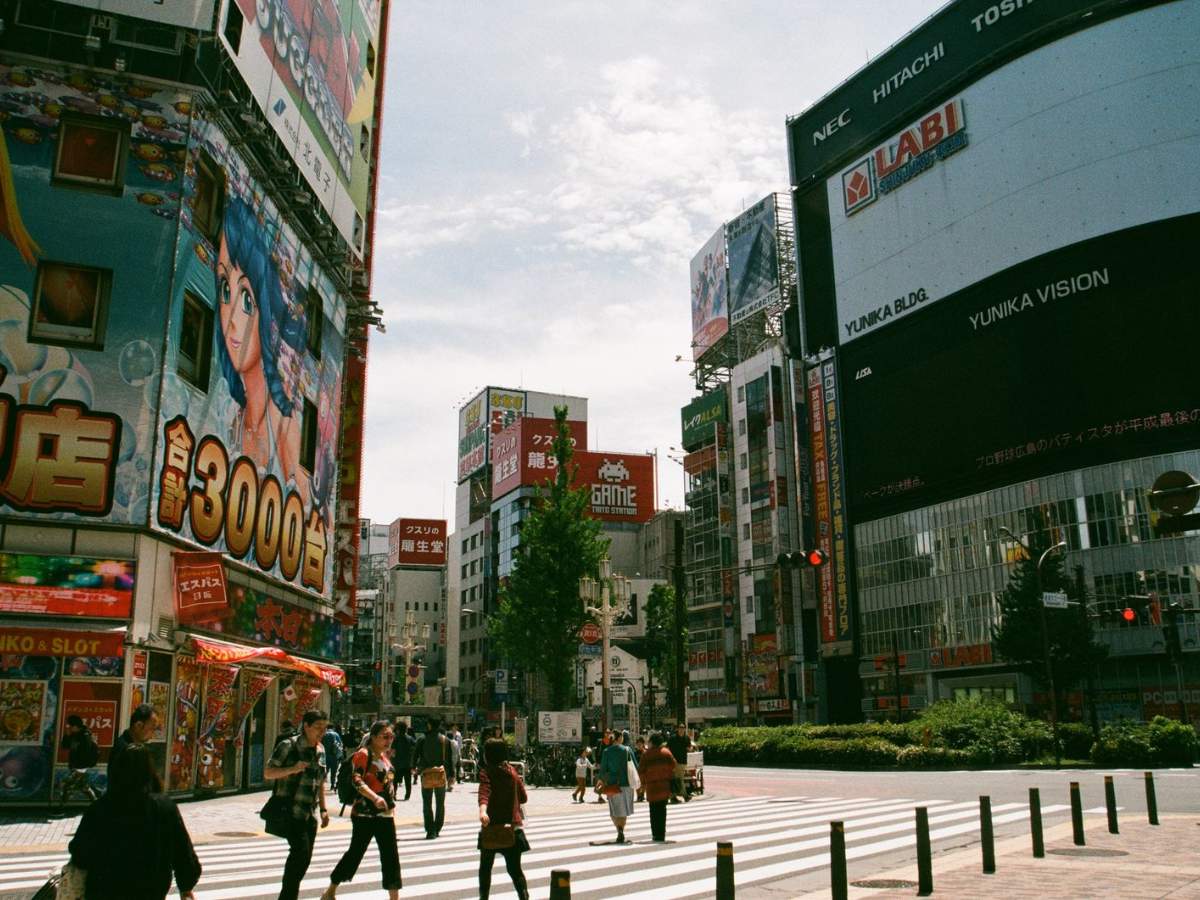
An Asia cruise packs more variety into one trip than almost any other itinerary. You might wander Tokyo’s neighborhoods one day and explore temples in Thailand or the heat of Singapore a few days later. That means different plugs, different currencies, different dress codes and, in Japan, some of the strictest medication rules in the world. This Asia cruise packing list covers what to wear by season, the documents and entry forms you’ll need, the right adapters, and exactly what to carry on port days in Japan, South Korea, Singapore, Thailand and Vietnam.
📢 Affiliate Disclosure: This post contains affiliate links to Amazon and Klook, and links to our own Etsy shop. If you purchase or book through our links, The Wandering Adventurer earns a small commission at no extra cost to you.
⚡ Asia Cruise Packing: Quick Answer
Medication: Check the active ingredients of every medicine against Japan’s rules before you pack. Adderall can’t be brought in, and many pseudoephedrine cold medicines are prohibited.
Power: A universal adapter. Japan uses North American-style plugs, but Singapore and Hong Kong use UK-style plugs, and Korea uses European ones.
Clothes: Lightweight, breathable layers plus one outfit that covers shoulders and knees for temples.
Shoes: Comfortable walking shoes that slip on and off easily. You’ll take them off at many temples.
Entry forms: Vietnam usually requires an e-visa for Canadians and Americans, and Thailand and Singapore use digital arrival cards. Your cruise line will confirm what you need and what it handles for you.
👉 Want it all in one place? Grab our editable Asia Cruise Packing Checklist.
🌏 Why an Asia Cruise Needs Its Own Packing List
- Every country has different rules. Plugs, currencies, entry forms and customs restrictions can change from one port to the next.
- Japan’s medication laws catch travelers out. Common North American medicines can be illegal there, even with a prescription.
- Temples have etiquette. You’ll cover up in Thailand and take your shoes off in Japan.
- The climate swings. A spring cruise around Japan needs a jacket, while Singapore and Thailand are hot and humid year-round.
- Port days are long. Many ports are an hour or more from the main sights (Tokyo from Yokohama, Bangkok from Laem Chabang), so your day bag matters.
🗓️ What to Pack by Season
Asia cruises split into two main styles: Japan and Korea cruises, which run mostly spring and fall, and Southeast Asia cruises, which are best in the drier winter months. Use this as a starting point, then check the forecast for your ports before you sail.
| Season & Region | What to Expect | Pack |
|---|---|---|
| Spring March–May, Japan & Korea | Cherry blossom season. Mild days and chilly mornings and evenings, especially in March. | Layers, a light jacket, long pants, closed-toe walking shoes |
| Summer June–August, Japan & Korea | Hot and humid. Most of Japan has a rainy season from early June to mid-July, and typhoon season builds through late summer. | Breathable fabrics, compact umbrella, quick-dry clothes, sun protection |
| Fall September–November, Japan & Korea | Typhoons are still possible in September. October and November bring mild weather and autumn leaves. | Light layers, a sweater for evenings, packable rain jacket |
| Dry season November–March, Southeast Asia | Peak cruise season for Singapore, Thailand and Vietnam. Hot and humid, often around 30°C (86°F), with fewer storms. Singapore gets showers year-round. | Linen and moisture-wicking clothes, sun hat, high-SPF sunscreen, temple cover-up, umbrella |
💡 Planning Tip: Pack one warm layer no matter where you’re going. Ships, malls and trains across Asia blast the air-conditioning.
👗 Clothing for an Asia Cruise
- Breathable day outfits. Linen, cotton and moisture-wicking fabrics you can mix and rewear. Humidity makes quick-dry clothes worth their weight.
- A temple-ready outfit. Something that covers your shoulders and knees, for men and women. Bangkok’s Grand Palace has a particularly strict dress code: wear clothing that properly covers your shoulders and legs, and don’t count on a scarf over shorts or a sleeveless top being accepted.
- A light scarf or wrap to cover shoulders at less strict temples, and to use as a layer in cold air-conditioning.
- Evening wear for one or two dressier nights onboard.
- Swimwear and a cover-up for the pool, sea days and beach stops like Phuket.
- A sun hat and sunglasses.
- A light jacket or sweater for spring and fall in Japan and Korea, and for air-conditioned venues everywhere.
💡 Insider Tip: If you have tattoos and want to visit a Japanese onsen (hot spring bath), check the rules first. Many still don’t allow visible tattoos, though some offer private baths or accept cover patches.
👟 Footwear
- Comfortable walking shoes that slip on and off easily. You’ll remove your shoes at many temples, some traditional restaurants and fitting rooms in Japan, so skip anything with complicated laces.
- Socks without holes. It sounds silly, but your socks will be on display more than you think.
- Supportive sandals for hot, humid days in Southeast Asia.
- Flip-flops or pool slides for the pool deck and beaches.
- Dressier shoes for evenings onboard.
💊 Medication: Check Japan’s Rules Before You Pack
This is the part of an Asia cruise packing list most people skip, and it’s the one that can cause real trouble. Japan regulates imported medicine very differently from Canada and the US. A medicine being legal or prescribed at home doesn’t make it legal to bring into Japan, and customs won’t make on-the-spot exceptions for prohibited medicines.
- Prohibited: Adderall contains amphetamine and can’t be brought into Japan, even with a foreign prescription. Other ADHD medications have different rules (some are allowed with advance permission), so check each active ingredient individually.
- Common cold medicines: many products containing pseudoephedrine, such as some Sudafed and Actifed formulas and Vicks inhalers, are prohibited above small limits. Formulas differ by country, so check the active ingredients, not the brand name.
- Prescription medicine: most allowed prescription medicines can come in without paperwork in quantities up to a one-month supply. Larger quantities, and some controlled medicines and medical devices, need an import certificate (Yunyu Kakunin-sho). Apply at least two weeks before you travel.
- Over-the-counter medicine and vitamins: up to a two-month supply of allowed products is fine.
- Keep everything in original labeled packaging with a copy of your prescription or a doctor’s letter.
🔍 Quick Correction: A doctor’s note does not make a prohibited medicine legal in Japan. Rules also change, so check each medication with Japan’s Ministry of Health, Labour and Welfare or your nearest Japanese embassy or consulate before you travel. Leave vapes at home too: Singapore and Thailand ban e-cigarettes. Singapore also bans importing ordinary chewing gum (approved therapeutic and dental gums are exempt).
🛂 Documents, Entry Forms & Money
- Passport with plenty of validity and blank pages. Many cruise lines want six months’ validity beyond the end of your trip, so check yours early.
- Visas and e-visas. Canadians and Americans can visit Japan, Singapore and South Korea visa-free for short stays. Vietnam usually requires an e-visa for both, although some cruise lines arrange entry for their passengers. China’s rules depend on your nationality and itinerary. Confirm with your cruise line which visas you need and what it arranges for you.
- Digital arrival cards. Thailand asks foreign visitors, including sea arrivals, to complete the free Thailand Digital Arrival Card within three days before arrival. Singapore requires the free SG Arrival Card within three days before arrival, with limited exemptions. Follow your cruise line’s instructions on how these are handled for your sailing, and never pay a third-party site for either form.
- Cruise documents, flight details and travel insurance, printed as a backup.
- A credit card with no foreign transaction fees.
- Some local cash. You’ll need Japanese yen, Korean won, Singapore dollars, Thai baht or Vietnamese dong depending on your ports. ATMs at convenience stores are the easiest place to get it.
💡 Entry Rules Update: South Korea’s K-ETA travel authorization is waived for Canadians, Americans and 20 other nationalities until December 31, 2026. The waiver is currently scheduled to end then, so if your cruise sails in 2027, check the official K-ETA website for any extension before you go.
🔌 Tech & Electronics
- A universal travel adapter. Plug types change across Asia: Japan and Taiwan use the same Type A plugs as North America, Singapore and Hong Kong use UK-style Type G, South Korea uses European Type C and F, and Thailand and Vietnam use a mix. A good universal adapter covers all of these, but check it lists the countries you’re visiting. EPICKA Universal Travel Adapter — Check Price on Amazon
- Check the voltage. An adapter only changes the plug shape, not the voltage. Japan runs on 100V, while most of Asia uses 220–240V. Phone and laptop chargers marked 100–240V work everywhere. Single-voltage hair tools are best left at home.
- A non-surge-protected power strip, if your line allows one. Surge protectors are banned across the major lines, and some lines, including Royal Caribbean, ban power strips altogether, so check your cruise line’s electrical policy first. Non-Surge Power Strip — Check Price on Amazon
- A power bank. Maps, translation apps and photos drain your phone fast on long port days. Anker 20,000mAh Power Bank — Check Price on Amazon
- An eSIM or data plan for Asia so you can use maps and translation apps in port without paying for ship Wi-Fi. Browse eSIMs on Klook →
- A translation app with offline language packs downloaded before you sail.
🔍 Quick Correction: You’ll often read that North Americans need a plug adapter for Japan. You usually don’t, because Japan uses the same two-flat-pin plugs. The catch is that many Japanese outlets have no hole for a third grounding pin, so a three-prong plug won’t fit. A universal adapter solves both problems.
🎒 Your Port Day Bag
- Your ship card and the ID your cruise line asks for. Many Asian ports require your passport or a copy of it ashore, so check the ship’s daily planner before each port.
- Local cash in small notes. Japan is increasingly card-friendly, but some smaller shops, temples, shrines and local transport still need cash, especially outside the big city centers.
- A small towel or handkerchief. Many public restrooms in Japan don’t have paper towels or hand dryers, and it’s handy for humidity too.
- A small bag for your trash. Public trash cans are rare in Japan, and locals carry their trash home.
- Your scarf or cover-up for any temples on the day’s route.
- Sunscreen, sunglasses, a hat and a refillable water bottle.
- A waterproof phone pouch for boat tours, beach days and sudden downpours. Waterproof Phone Pouch (2-Pack) — Check Price on Amazon
- Motion sickness supplies if you’re prone to seasickness, especially for long tender rides or boat excursions like Ha Long Bay. Acupressure bands are a drug-free option some travelers like, though the evidence they work is limited. Sea-Band Acupressure Wristbands — Check Price on Amazon
💡 Insider Tip: Some of Asia’s biggest ports are far from the city: Yokohama is about 40 minutes from central Tokyo, and Laem Chabang is roughly two hours from Bangkok. Plan your transport before port day and leave a generous buffer for all-aboard. Our Tokyo travel guide covers what to prioritize in a day.
🧳 Our Editable Asia Cruise Packing Checklist
We turned everything on this list into a printable, fillable checklist made specifically for Asia cruises. It covers the things people actually forget for Japan, Thailand, Singapore and Southeast Asia, from entry essentials to temple-appropriate clothing.
- 3-page Asia cruise packing checklist
- Sections for documents, entry essentials, clothing, toiletries, accessories, tech and port-day items
- Fillable PDF: type and check it off in free Adobe Acrobat Reader or on your iPad, or print it at home
- Instant digital download, and you can print copies for everyone in your group
👉 Get the Asia Cruise Packing Checklist on Etsy →
Sailing somewhere else? We also have a Mediterranean cruise packing checklist and a Caribbean cruise packing checklist. Taking more than one kind of cruise? Our all-purpose Cruise Packing Checklist works for any itinerary.
🚫 What to Leave at Home
- Medicines that are prohibited in Japan, including Adderall and many pseudoephedrine cold medicines.
- Vapes and e-cigarettes if your cruise visits Singapore or Thailand.
- Ordinary chewing gum if you’re visiting Singapore.
- Surge-protected power strips, irons and steamers. All are banned on major cruise lines.
- Shoes with complicated laces. You’ll be taking them off a lot.
See our full What NOT to Pack for a Cruise guide for banned items, and the general What to Pack for a Cruise checklist for everything else. Sailing somewhere else next? We also have packing lists for the Caribbean, Mediterranean and Alaska.
🛒 Shop all my cruise favorites on my Amazon storefront
❓ Frequently Asked Questions About Asia Cruise Packing
What should I wear on an Asia cruise?
Pack lightweight, breathable outfits for port days, comfortable slip-on walking shoes, at least one outfit that covers your shoulders and knees for temples, swimwear for sea days, and one or two dressier outfits for evenings onboard. Add warm layers for spring and fall cruises around Japan and Korea, and for air-conditioned venues everywhere.
Do I need a plug adapter for an Asia cruise?
Yes, a universal adapter is the easiest option. Japan and Taiwan use the same Type A plugs as North America, but Singapore and Hong Kong use UK-style Type G plugs, South Korea uses European Type C and F, and Thailand and Vietnam use a mix. An adapter doesn’t convert voltage: Japan runs on 100V and most of Asia on 220–240V, so only bring devices rated 100–240V.
Can I bring my medication into Japan on a cruise?
Usually, but check first. Adderall can’t be brought in even with a prescription, and many pseudoephedrine cold medicines are prohibited. Most allowed prescription medicines can come in without paperwork up to a one-month supply, but some controlled medicines need advance permission regardless of quantity. Check your exact medication with Japan’s Ministry of Health, Labour and Welfare before you travel.
Do Canadians and Americans need a visa for an Asia cruise?
It depends on your ports. Japan, Singapore and South Korea are visa-free for short visits, and Korea’s K-ETA is waived for both nationalities until December 31, 2026. Vietnam usually requires an e-visa, and China’s rules depend on nationality and itinerary. Your cruise line will confirm which visas you need and whether it arranges any for you.
Do I need cash in Japan?
Carry some yen. Japan is increasingly card-friendly in cities, but some smaller shops, restaurants, temples, shrines and local buses still need cash. Convenience store ATMs are the easiest place to withdraw yen with a foreign card.
Plan Your Japan Port Days
Bags packed? Here’s how to make the most of your time ashore.
This post contains affiliate links to Amazon and Klook, and links to our own Etsy shop. The Wandering Adventurer earns a small commission if you purchase or book through our links, at no extra cost to you.
Leave a Reply