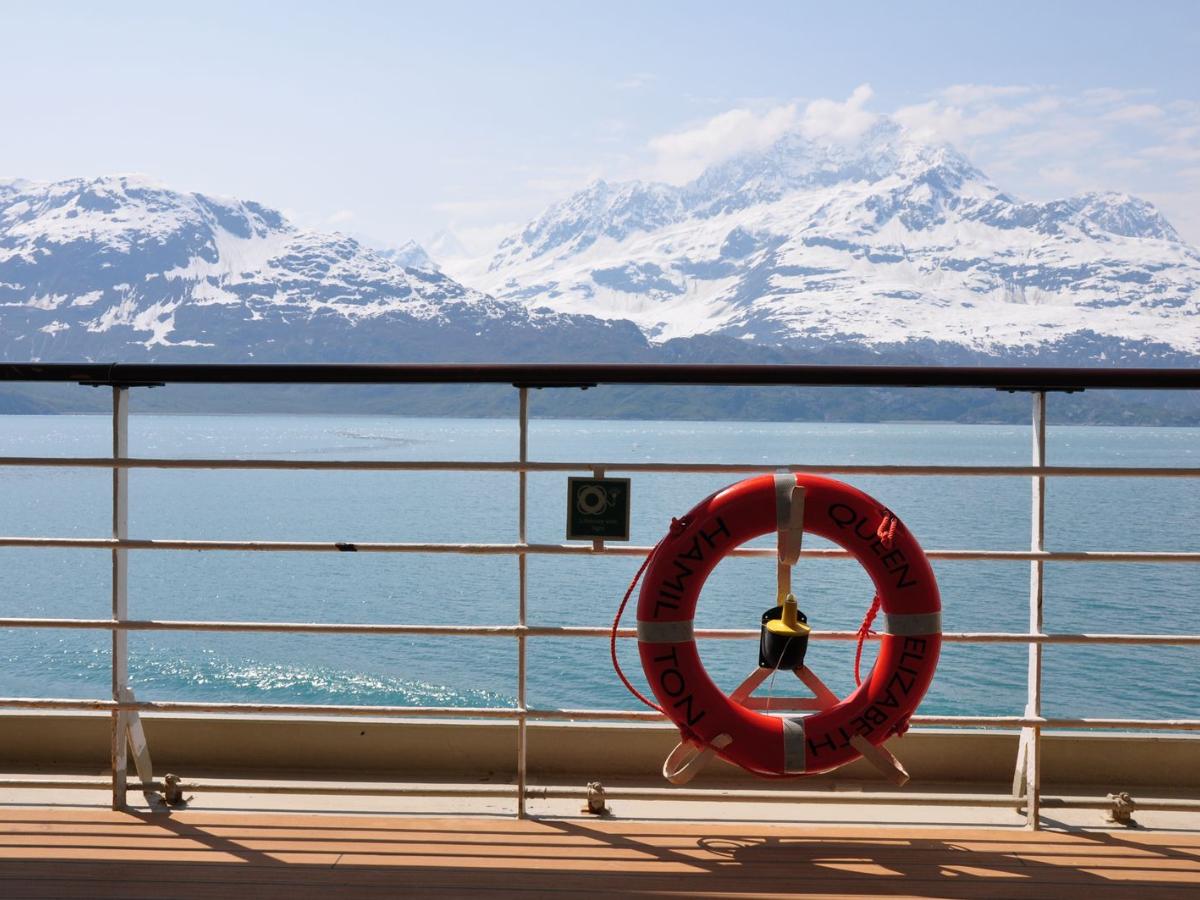
An Alaska cruise is the one sailing where your regular cruise wardrobe won’t work. You might stand on deck in a wool hat watching a glacier calve in the morning, then walk around Skagway in a T-shirt that afternoon, and get soaked in Ketchikan the next day. The secret isn’t packing more, it’s packing layers. This Alaska cruise packing list covers exactly how to layer, what to wear month by month, the passport rules for Seattle and Vancouver sailings, and what to carry on port days in Juneau, Ketchikan, Skagway and beyond.
📢 Affiliate Disclosure: This post contains Amazon affiliate links and links to our own Etsy shop. If you purchase through our links, The Wandering Adventurer earns a small commission at no extra cost to you.
⚡ Alaska Cruise Packing: Quick Answer
Layers: A base layer, a fleece or light puffer, and a waterproof shell. You’ll add and remove them all day.
Rain gear: A truly waterproof jacket with a hood, plus waterproof or water-resistant shoes. Ketchikan averages around 150 inches of rain a year.
Glacier day: A warm hat, gloves and your warmest layer for scenic cruising on deck.
Wildlife: Binoculars, so you actually see the whales, eagles and bears.
Documents: A passport is the safest choice for everyone, and required for one-way cruises and for Canadians.
👉 Want it all in one place? Grab our editable Alaska Cruise Packing Checklist.
🏔️ Why an Alaska Cruise Needs Its Own Packing List
- The weather changes by the hour. Sun, wind, drizzle and fog can all happen in a single port day.
- Glacier viewing is cold. Even on a warm day, standing on deck near a glacier with the wind off the ice feels much colder than the forecast.
- Southeast Alaska is a rainforest. Ketchikan and Juneau get rain often, even in peak summer.
- Port days are outdoorsy. Hiking, whale watching, glacier walks, dog sledding and float plane tours all need practical clothes.
- Your cabin is warm. Indoors on the ship you’ll want normal clothes, so layering beats packing one heavy coat.
🧥 How to Layer for an Alaska Cruise
Forget the bulky winter coat. Three thin layers you can mix and match keep you comfortable in every situation, from a sunny 20°C (68°F) afternoon to a windy glacier morning.
- Base layer: A moisture-wicking long-sleeve top (merino wool or synthetic, not cotton). On cold days, add thermal leggings under your pants.
- Middle layer: A fleece jacket or a lightweight down or synthetic puffer. This is your warmth.
- Outer layer: A waterproof, windproof rain jacket with a hood. This is your protection, and the single most important item on the list.
🔍 Quick Correction: You’ll often see “pack an umbrella” on Alaska packing lists. Skip it. Wind on deck and in places like Skagway and glacier viewpoints flips umbrellas inside out, and you’ll want your hands free for binoculars and railings. A hooded rain jacket does the job far better.
🗓️ What to Pack by Month
Alaska cruise season runs from about May to September. Summer highs in Southeast Alaska are usually in the 50s to mid-60s°F (roughly 10–18°C), with the occasional warm, sunny day. Check the forecast for your ports a week before you sail.
| Month | What to Expect | Pack |
|---|---|---|
| May | Cool and often drier than later months. Snow on the mountains and fewer crowds. | Warmest layers, hat and gloves, waterproof shell, closed-toe shoes |
| June | Mild days and the longest daylight, around 18 hours in Juneau near the solstice. Mosquitoes start to appear. | Layers, rain jacket, sleep mask, insect repellent |
| July–August | The warmest months, but rain becomes more frequent in August. Peak whale and salmon season. | T-shirts plus layers, rain jacket, waterproof shoes, sunglasses, insect repellent |
| September | Cooler, wetter and darker evenings. Fall colors, lower prices and a chance of northern lights on late sailings. | Warm layers, hat and gloves, fully waterproof jacket and shoes |
💡 Planning Tip: Pack your hat and gloves in your day bag on glacier day, not in your suitcase. Scenic cruising often starts early, and you won’t want to run back to the cabin and miss the calving.
👕 Clothing for an Alaska Cruise
- 2–3 base layers (long-sleeve, moisture-wicking).
- A fleece or packable puffer.
- A waterproof rain jacket with a hood. Make sure it’s waterproof, not just water-resistant.
- Waterproof or quick-dry pants, or rain pants to pull over jeans for wet excursions.
- Casual daywear: T-shirts, jeans or hiking pants for warmer days and onboard.
- A warm hat, gloves and a neck gaiter or scarf for glacier viewing and boat excursions.
- Evening wear for one or two dressier nights. Alaska sailings tend to be a little more casual, but formal nights still happen.
- Swimwear for the ship’s hot tubs, which are especially great with a glacier view.
🥾 Footwear
- Waterproof walking shoes or light hiking boots with good grip. Trails, docks and boardwalks get slick in the rain.
- Wool or moisture-wicking socks, plus an extra pair in your day bag.
- Comfortable shoes for onboard so your hiking shoes can dry out.
- Dressier shoes for evenings.
🛂 Documents & Money
- Passport. Most Alaska cruises stop in Canada (often Victoria or Vancouver), so you’re crossing an international border. Canadians should bring a passport, and it’s required for one-way cruises between Vancouver and Alaska.
- US citizens on a round-trip cruise from Seattle can technically sail with an original birth certificate and government-issued photo ID instead. A passport is still strongly recommended: if you miss the ship or have a medical emergency in Canada, you’ll need one to fly home.
- Cruise documents, flight details and travel insurance, printed as a backup.
- US dollars. Alaska uses USD. If you’re starting or ending in Vancouver or stopping in Victoria, a little Canadian money helps too, though cards are accepted almost everywhere.
🔍 Quick Correction: Cannabis is legal in both Alaska and Canada, but that doesn’t mean you can bring it on your cruise. Cruise lines prohibit it onboard, and carrying it across the US–Canada border is illegal, even between two places where it’s legal. Leave it at home.
🔭 Gear & Tech
- Binoculars. Whales, eagles, bears and mountain goats are usually far away. Bring one pair per person if you can, because you won’t want to share when a humpback surfaces. A compact, waterproof pair is ideal for rainy decks and boat tours. Compact Waterproof Binoculars — Check Price on Amazon
- A power bank. Cold weather drains phone batteries faster, and you’ll be taking a lot of photos. Anker 20,000mAh Power Bank — Check Price on Amazon
- A camera with zoom if you have one. Phones struggle with distant wildlife.
- A sleep mask. With up to 18 hours of daylight in June and July, it can still be bright at 10 p.m.
- Magnetic hooks to hang wet jackets and day bags in your cabin. DIYMAG Magnetic Hooks — Check Price on Amazon
- No plug adapter needed for Americans and Canadians. Alaska and Canada use the same outlets as the rest of North America.
🎒 Your Port Day Bag
- A packable daypack to carry your layers as you peel them off. G4Free 20L Packable Backpack — Check Price on Amazon
- A waterproof dry bag to protect your camera, phone and spare clothes on boat tours and in steady rain. Waterproof Dry Bag — Check Price on Amazon
- A waterproof phone pouch for whale-watching boats and rainy walks. Waterproof Phone Pouch (2-Pack) — Check Price on Amazon
- Your ship card and photo ID.
- Hat, gloves and an extra layer, even if it’s sunny when you leave the ship.
- Insect repellent for hikes and rainforest trails in summer.
- Sunglasses and sunscreen. Glare off water and ice is strong, even on cloudy days.
- A refillable water bottle and snacks for longer excursions.
- Motion sickness supplies if you’re prone to seasickness. The Inside Passage is usually calm, but one-way cruises cross the open Gulf of Alaska, and small whale-watching boats can be bumpy. Acupressure bands are a drug-free option some travelers like, though the evidence they work is limited. Sea-Band Acupressure Wristbands — Check Price on Amazon
💡 Insider Tip: Sailing from Vancouver? Arrive a day early so a flight delay doesn’t cost you the cruise, and use the extra time to see the city. Our Vancouver guide covers the best things to do before you board.
🧳 Our Editable Alaska Cruise Packing Checklist
We turned everything on this list into a printable, fillable checklist built specifically for Alaska. It includes a layering wardrobe planner so you pack smart for glacier days, wildlife tours and Alaska’s changeable weather.
- 3-page Alaska cruise packing checklist with a layering wardrobe guide
- Covers glacier viewing, wildlife excursions, port days and changing weather
- Fillable PDF in Letter, A4 and A5 sizes: fill it in on your computer or iPad, or print it
- Instant digital download, and you can print copies for everyone in your group
👉 Get the Alaska Cruise Packing Checklist on Etsy →
Planning another cruise too? We also have Caribbean, Mediterranean and Asia cruise packing checklists, plus an all-purpose Cruise Packing Checklist that works for any itinerary.
🚫 What to Leave at Home
- A heavy winter parka. Layers do the same job and fold into a suitcase.
- An umbrella. The wind wins. Bring a hooded rain jacket instead.
- Too many cotton clothes. Cotton stays wet and cold once it’s soaked.
- Cannabis, even if you bought it legally in Alaska or Canada.
- Surge-protected power strips, irons and steamers. All are banned on major cruise lines.
See our full What NOT to Pack for a Cruise guide for banned items, and the general What to Pack for a Cruise checklist for everything else. Sailing somewhere warmer next? We also have packing lists for the Caribbean, Mediterranean and Asia.
🛒 Shop all my cruise favorites on my Amazon storefront
❓ Frequently Asked Questions About Alaska Cruise Packing
What should I wear on an Alaska cruise?
Dress in layers: a moisture-wicking base layer, a fleece or light puffer, and a waterproof, hooded rain jacket. Add waterproof walking shoes, a warm hat and gloves for glacier viewing, and casual clothes for onboard. Pack one or two dressier outfits for evenings.
How cold is it on an Alaska cruise?
Summer highs in Southeast Alaska are usually in the 50s to mid-60s°F (roughly 10–18°C), with cooler mornings and evenings. Glacier viewing feels much colder because of the wind off the ice, so bring your warmest layer, a hat and gloves for that day.
Do I need a passport for an Alaska cruise?
Canadians should bring a passport, and passports are required for one-way cruises between Vancouver and Alaska. US citizens on a round-trip cruise from Seattle can sail with an original birth certificate and government-issued photo ID, but a passport is strongly recommended in case you need to fly home from Canada.
Do I need rain gear for an Alaska cruise?
Yes. Southeast Alaska is a temperate rainforest, and Ketchikan averages around 150 inches of rain a year. Pack a fully waterproof jacket with a hood and waterproof or quick-drying shoes. Skip the umbrella, since wind on deck and in port makes it more trouble than it’s worth.
Should I bring binoculars on an Alaska cruise?
Absolutely. Whales, eagles, bears and mountain goats are often too far away to see well with the naked eye or a phone camera. One pair per person is ideal so nobody misses a sighting.
Sailing From Vancouver?
Make the most of your time before you board.
This post contains Amazon affiliate links and links to our own Etsy shop. The Wandering Adventurer earns a small commission if you purchase through our links, at no extra cost to you.
Leave a Reply