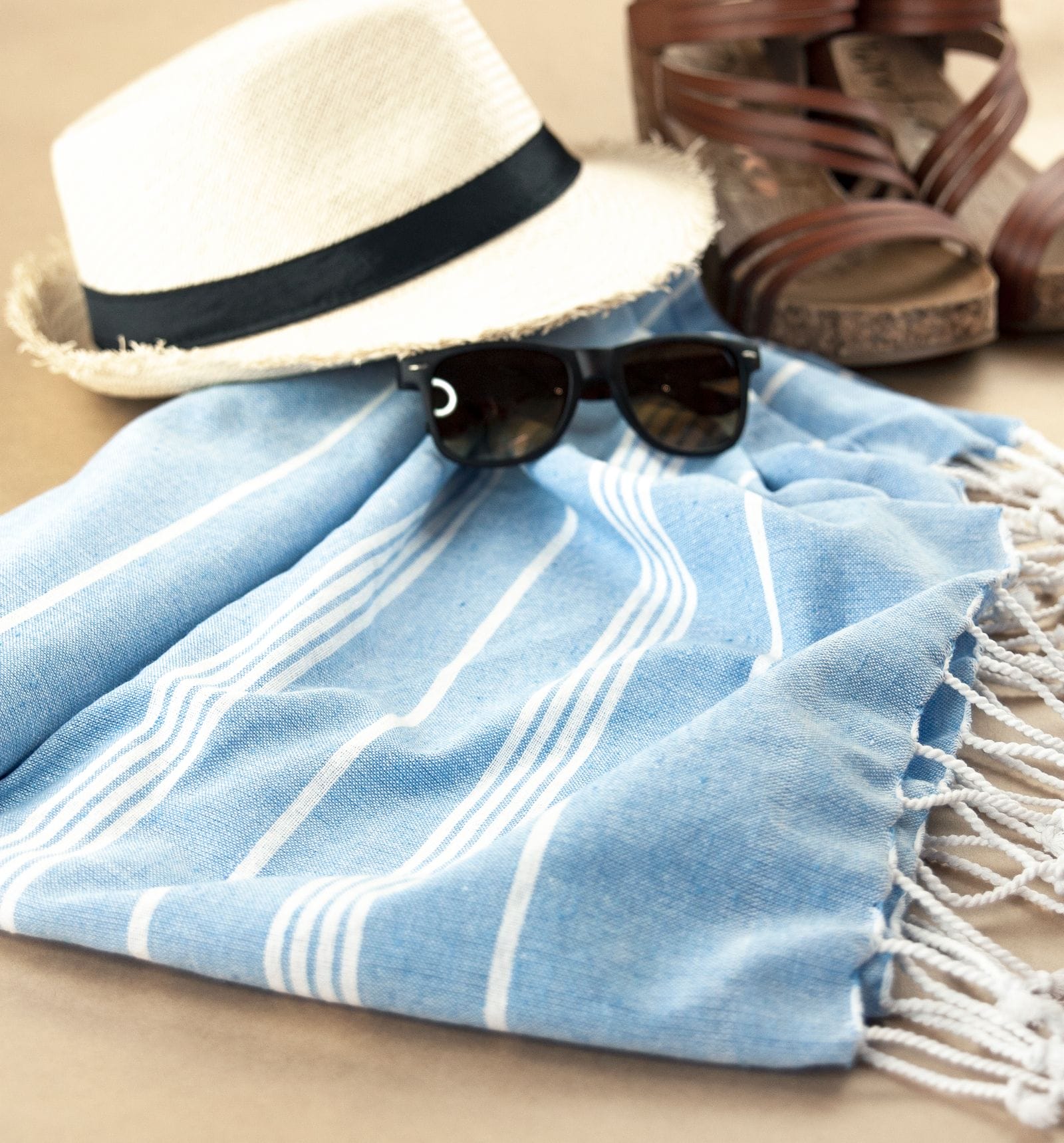
A Caribbean cruise should be the easiest trip to pack for: swimsuits, sunscreen, done. But first-time cruisers still get caught out by sunscreen bans on certain islands, the wrong shoes for a waterfall climb, or a forgotten birth certificate at the terminal. This Caribbean cruise packing list covers what to wear in every season, which sunscreens are actually allowed, the documents you need for a closed-loop cruise, and exactly what to carry on port days from Cozumel to St. Thomas.
📢 Affiliate Disclosure: This post contains Amazon affiliate links and links to our own Etsy shop. If you purchase through our links, The Wandering Adventurer earns a small commission at no extra cost to you.
⚡ Caribbean Cruise Packing: Quick Answer
Swimwear: At least two or three swimsuits, so one can dry while you wear the other, plus a cover-up.
Sun protection: A water-resistant SPF 30+ sunscreen free of oxybenzone and octinoxate, a hat and sunglasses. Some islands ban specific sunscreen ingredients, so check your ports.
Shoes: Water shoes for rocky beaches and snorkeling, sandals, and one pair of comfortable walking shoes.
Documents: A passport book is the safest choice. Eligible US citizens on closed-loop cruises (leaving from and returning to the same US port) can usually use a birth certificate plus photo ID instead. Canadians should check their cruise line’s requirements, and most lines ask for a passport.
Port bag: A dry bag, waterproof phone pouch, small US bills and your ship card.
👉 Want it all in one place? Grab our editable Caribbean Cruise Packing Checklist.
🏝️ Why a Caribbean Cruise Needs Its Own Packing List
- You’ll be wet most of the day. Pools, beaches, snorkeling and catamaran trips mean swimsuits and quick-dry clothes do most of the work.
- The sun is intense. Sunburn is the number one way people ruin a Caribbean cruise, often on day one.
- Some islands regulate sunscreen. The wrong bottle can be against the rules at certain beaches and marine parks.
- Excursions vary a lot. One day is a beach, the next is climbing Dunn’s River Falls or exploring Mayan ruins.
- The ship is cold. Air-conditioned dining rooms and theaters feel chilly after a day in the heat.
🗓️ What to Pack by Season
The Caribbean is warm year-round, usually in the high 20s to low 30s°C (low-80s to around 90°F). What changes is the rain, the humidity and the hurricane risk.
| Season | What to Expect | Pack |
|---|---|---|
| Dry season December–April | Peak season. Sunny, less humid and slightly cooler evenings, especially on breezy sea days. | Swimwear, light layers, a sweater for evenings and air-conditioning |
| Early summer May–July | Hotter and more humid, with short afternoon showers. Hurricane season officially starts June 1. | Breathable fabrics, packable rain jacket, extra sunscreen, insect repellent |
| Peak hurricane season August–October | Hottest and wettest months, and the highest storm risk. Itineraries can change at short notice. | Quick-dry clothes, rain jacket, motion sickness supplies, travel insurance details |
| November | Storms tail off and hurricane season ends November 30. Good value before the holiday rush. | Summer clothes, light rain jacket, a sweater for evenings |
💡 Planning Tip: Sailing in hurricane season? Ships steer around storms, which can mean a swapped port or an extra sea day. Pack a book or two, and check exactly what your travel insurance covers: weather delays and missed connections are often covered, but a simple port substitution usually isn’t.
👙 Clothing for a Caribbean Cruise
- 2–3 swimsuits. Nothing dries fast in humid air, and you’ll swim almost every day.
- Cover-ups for walking through the ship and into port shops and restaurants.
- A rash guard or long-sleeve sun shirt for snorkeling and boat trips, where your back burns fastest.
- Light, breathable daywear: shorts, sundresses, linen shirts and T-shirts.
- Evening outfits: smart casual for most nights, plus one dressier outfit for formal or elegant night.
- A light sweater or cardigan for air-conditioned dining rooms and theaters.
- A wide-brim sun hat and sunglasses. Packable Sun Hat — Check Price on Amazon
- A packable rain jacket for summer and fall sailings.
🩴 Footwear
- Water shoes. Essential for rocky beaches, snorkeling from shore and climbing Dunn’s River Falls in Jamaica.
- Sandals or flip-flops for the pool deck and beach days.
- Comfortable walking shoes for excursions like the Mayan ruins near Cozumel and Costa Maya, or Old San Juan’s hills.
- Dressier sandals or shoes for evenings onboard.
☀️ Sunscreen, Sun & Bugs
- A water-resistant, broad-spectrum sunscreen without oxybenzone or octinoxate. Buy it at home, because it’s expensive onboard and in port. Sun Bum Original SPF 50 is a popular pick that’s free of both and meets Hawaii’s reef law. It does contain octocrylene, though, so if you’re visiting St. Thomas or St. John, pack a mineral (zinc oxide) sunscreen for those days. Sun Bum SPF 50 Sunscreen Spray — Check Price on Amazon
- After-sun lotion or aloe to soothe your skin after long days outdoors. Reapply sunscreen every couple of hours and after swimming, and use shade and sun shirts to avoid burning.
- Insect repellent for rainforest tours, ziplining and evenings ashore.
- A portable fan or cooling towel for hot, still port days. Personal Travel Fan — Check Price on Amazon
🔍 Quick Correction: “Reef-safe” or “reef-friendly” on a label isn’t a regulated term, so check the active ingredients instead. The US Virgin Islands (St. Thomas and St. John) ban oxybenzone, octinoxate and octocrylene; Bonaire bans oxybenzone and octinoxate; and Aruba bans oxybenzone. Many eco-parks and cenotes near Cozumel also require biodegradable sunscreen, and some ask you to rinse off before swimming. For St. Thomas, St. John and marine parks, a mineral sunscreen without restricted ingredients is the safest choice, so check the rules for any port or excursion you’ve booked.
🛂 Documents & Money
- Passport book. The safest option for everyone, and required for one-way cruises such as Panama Canal sailings. Canadians should check their cruise line’s document requirements, as most lines ask Canadian guests for a passport.
- US citizens on a closed-loop cruise (leaving from and returning to the same US port) can usually sail with an original, government-issued birth certificate, plus government-issued photo ID for anyone 16 or older. Some itineraries and cruise lines require more, so check your booking. A passport is still strongly recommended: if you miss the ship or have a medical emergency in port, you’ll need one to fly home.
- Cruise documents, flight details and travel insurance, printed as a backup.
- Small US bills. US dollars are widely accepted in most Caribbean cruise ports, and small bills make tipping tour guides and paying taxis easier. Some islands give change in local currency.
- A credit card with no foreign transaction fees for shops and restaurants.
🔌 Tech & Cabin Extras
- A power bank for long beach and excursion days. Anker 20,000mAh Power Bank — Check Price on Amazon
- Magnetic hooks for hats, lanyards and light bags on your cabin’s metal walls. Dry wet swimsuits on the bathroom clothesline instead, and never hang anything from sprinkler heads or safety equipment. DIYMAG Magnetic Hooks — Check Price on Amazon
- Plugs and outlets. Ships sailing from North America usually have at least some North American-style outlets in cabins, though the number and type vary by ship, and some also have European-style outlets. Most Caribbean cruise ports use US-style plugs, but a few islands, including St. Lucia and Grenada, use UK-style plugs. That only matters if you’re staying in a hotel there before or after your cruise.
🎒 Your Port Day Bag
- A packable daypack or beach bag. G4Free 20L Packable Backpack — Check Price on Amazon
- A waterproof dry bag to keep your phone, wallet and ship card dry on catamarans and beaches. Waterproof Dry Bag — Check Price on Amazon
- A waterproof phone pouch for underwater photos while snorkeling. Waterproof Phone Pouch (2-Pack) — Check Price on Amazon
- Your ship card and the ID your cruise line asks for. Most lines want government-issued photo ID with your ship card, and some ports require your passport, so check the ship’s daily planner before going ashore.
- Sunscreen, hat, sunglasses and a refillable water bottle.
- Small US bills for tips, taxis and beach chairs.
- Your own snorkel mask if you snorkel a lot. It fits better and is more hygienic than rental gear.
- Motion sickness supplies if you’re prone to seasickness, especially for catamaran and boat excursions. Acupressure bands are a drug-free option some travelers like, though the evidence they work is limited. Sea-Band Acupressure Wristbands — Check Price on Amazon
💡 Insider Tip: You probably don’t need to pack beach towels. Most mainstream cruise lines provide towels for pool and beach use, though some have you sign them out and charge for any that aren’t returned. Check your line’s policy and use the space for an extra swimsuit.
🧳 Our Editable Caribbean Cruise Packing Checklist
We turned everything on this list into a printable, fillable checklist built for Caribbean cruises. It’s organized into easy categories with large checkboxes and pro tips, so you can pack quickly and know nothing’s been forgotten.
- 3-page Caribbean cruise packing checklist
- Sections for documents, clothing, footwear, toiletries, accessories, beach bag, tech and what to leave at home
- Fillable PDF: type on your phone, tablet or computer, then print it, or just print and write
- Instant digital download, and you can print copies for everyone in your group
👉 Get the Caribbean Cruise Packing Checklist on Etsy →
Sailing somewhere else next? We also have Alaska, Mediterranean and Asia cruise packing checklists, plus an all-purpose Cruise Packing Checklist that works for any itinerary.
🚫 What to Leave at Home
- Beach towels, if your cruise line provides them.
- Sunscreen with oxybenzone, octinoxate or octocrylene if you’re visiting St. Thomas, St. John, Bonaire or Aruba.
- Heavy jeans and bulky jackets. One light layer is enough.
- Expensive jewelry for beach and water days.
- Surge-protected power strips, irons and steamers. All are banned on major cruise lines.
See our full What NOT to Pack for a Cruise guide for banned items, and the general What to Pack for a Cruise checklist for everything else. Cruising with kids? Don’t miss our cruising with kids guide and cruise ducks guide. Sailing somewhere cooler next? We also have packing lists for Alaska, the Mediterranean and Asia.
🛒 Shop all my cruise favorites on my Amazon storefront
❓ Frequently Asked Questions About Caribbean Cruise Packing
What should I wear on a Caribbean cruise?
Pack two or three swimsuits with cover-ups, light breathable daywear, water shoes and sandals, comfortable walking shoes for excursions, smart casual outfits for evenings and one dressier outfit for formal night. Add a light sweater for air-conditioned venues and a sun hat.
Do I need reef-safe sunscreen for a Caribbean cruise?
For some ports, yes. The US Virgin Islands ban sunscreens with oxybenzone, octinoxate and octocrylene, Bonaire bans oxybenzone and octinoxate, and Aruba bans oxybenzone. Many eco-parks in Mexico also require biodegradable sunscreen. A mineral sunscreen without restricted ingredients is usually the safest choice, but check the rules for each port and excursion.
Do I need a passport for a Caribbean cruise?
A passport book is the safest option, and it’s required for one-way cruises. Eligible US citizens on closed-loop cruises from a US port can usually travel with an original birth certificate and government-issued photo ID instead, though some itineraries require more. Canadians should follow their cruise line’s requirements, and most lines ask for a passport. A passport is especially important if you need to fly home unexpectedly.
Is it safe to cruise the Caribbean in hurricane season?
Hurricane season runs June 1 to November 30, peaking August to October. Cruise lines monitor storms and reroute ships to avoid dangerous weather, but hurricanes can still disrupt flights, embarkation ports, schedules and excursions. Build some flexibility into your travel plans and check what your travel insurance covers before you go.
Do I need cash on a Caribbean cruise?
Bring some small US bills. US dollars are widely accepted in most Caribbean cruise ports and are handy for tipping guides, taxis and beach vendors. Cards work in most shops and restaurants, and onboard everything is charged to your ship card.
Plan Your Caribbean Port Days
Bags packed? Here’s how to make the most of every stop.
This post contains Amazon affiliate links and links to our own Etsy shop. The Wandering Adventurer earns a small commission if you purchase through our links, at no extra cost to you.
Leave a Reply