📢 Affiliate Disclosure: This post contains affiliate links. If you book through our links, The Wandering Adventurer earns a small commission at no extra cost to you.
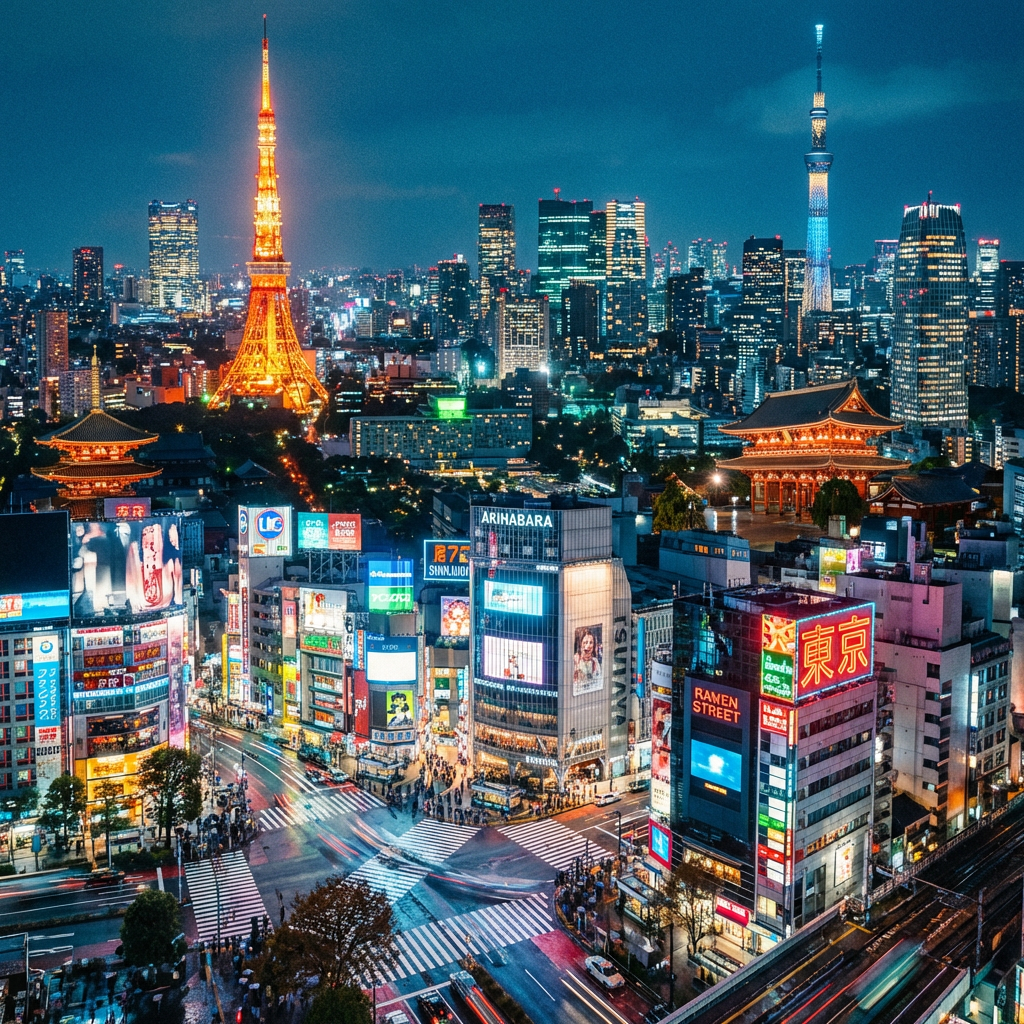
There is no city on earth quite like Tokyo. Fifty million people in the greater metropolitan area, and yet somehow it feels ordered, quiet, and impossibly clean. Ancient Shinto temples stand next to neon-lit gaming arcades. The world’s best sushi is served in a 10-seat basement restaurant with no sign on the door. The subway runs to the second. It’s bewildering and beautiful and utterly unlike anywhere you’ve been before.
This guide covers the best things to do in Tokyo plus what to pack for a comfortable and prepared trip — everything you need to know before your first visit.
🏯 Best Things to Do in Tokyo
🌸 Senso-ji Temple, Asakusa
Tokyo’s oldest and most visited temple dates to 645 AD. The approach through the giant Kaminarimon thunder gate and the Nakamise shopping street — lined with traditional craft stalls — is one of the most atmospheric walks in the city. Visit early morning to see the temple before the crowds arrive, with incense smoke rising into the quiet air.
🐉 Shibuya Crossing & Harajuku
Shibuya Crossing — where up to 3,000 people cross simultaneously in all directions when the lights change — is the most photographed intersection in the world, and seeing it in person is genuinely exhilarating. Nearby Harajuku’s Takeshita Street is the epicentre of Tokyo’s extraordinary youth fashion culture, while the serene Meiji Jingu shrine offers a green escape just steps away.
🌃 Shinjuku at Night
Shinjuku’s Golden Gai — a labyrinth of tiny alleyways packed with minuscule bars seating 5–8 people each — is one of the most unique nightlife experiences in the world. Nearby Kabukicho is Tokyo’s entertainment district, blazing with lights after dark. Don’t miss the free Tokyo Metropolitan Government Building observation deck for panoramic night views over the city.
🍣 Tsukiji Outer Market & Food Culture
The original Tsukiji fish market may have relocated its wholesale operations, but the outer market remains a legendary food destination. Arrive early for the freshest tuna sashimi, grilled seafood skewers, and tamagoyaki (sweet rolled omelette). Tokyo has more Michelin-starred restaurants than any other city on earth — from extraordinary omakase sushi counters to ramen shops with queues down the block.
🎮 Akihabara — Electric Town
Akihabara is Tokyo’s legendary electronics and anime district — a multi-storey fever dream of gadgets, manga, retro games, collectibles, and maid cafes. Even if you’re not a gamer or anime fan, the sheer density and spectacle of the place is fascinating. It exists nowhere else on earth quite like this.
💡 Insider Tip: Book a guided food tour of Tokyo for an unbeatable introduction to the city’s extraordinary culinary culture. A good guide takes you to places you’d never find alone and explains the food, history, and culture as you eat your way through the city.
🎟 Book a Tokyo Food Tour via Viator
🧳 What to Pack for Tokyo
Tokyo involves a lot of walking — on average 15,000–20,000 steps per day is typical for active sightseeing. Pack accordingly.
- Comfortable walking shoes: The single most important thing you can pack. Broken-in, cushioned, suitable for urban pavement and temple grounds.
- Portable power bank: Google Maps, translation apps, and navigation drain batteries quickly. Bring a good one. Amazon link
- Packing Cubes: Save space in the suitcase for more souvenirs. Amazon Link
- IC card or Suica card: Japan’s transit card — load it with yen and tap on/off every subway, bus, and even some shops and vending machines. Get one at Narita or Haneda airport on arrival.
- Pocket Wi-Fi or SIM: Rent a pocket Wi-Fi at the airport or buy a local SIM. Don’t assume you can navigate Tokyo without data.
- Compact umbrella: Tokyo gets sudden rain showers year-round. A small folding umbrella fits in any daypack. Amazon link
- Lightweight daypack: For carrying your essentials on long days of sightseeing. Amazon Link, Link, Link
- Slip-on shoes: Many traditional restaurants and some ryokan require removing shoes. Slip-ons make this considerably less awkward.
- Cash: Japan remains heavily cash-based. Many smaller restaurants, temples, and shops don’t accept cards. Withdraw yen from a 7-Eleven ATM (the most reliable for foreign cards).
💡 Essential Tokyo Travel Tips
- Buy a JR Pass if travelling beyond Tokyo: Covers bullet trains (shinkansen) and is excellent value for multi-city trips to Kyoto, Osaka, and Hiroshima.
- Carry cash: Japan is still heavily cash-dependent. ¥20,000–30,000 per person per day is a reasonable starting budget.
- Learn basic Japanese phrases: Sumimasen (excuse me), arigatou (thank you), and eigo wo hanasemasu ka? (do you speak English?) go a long way.
- Don’t eat while walking: Not technically illegal, but considered quite rude in most areas. Stop at a bench or stand at the stall.
- Google Translate camera mode: Point your camera at any Japanese text and it translates in real time. Indispensable for menus, signs, and labels.
Plan Your Full Tokyo Trip
Ready to dive deeper? Check out our 3-day Tokyo itinerary, the best day trips from the city, and our complete spring packing list.
This post contains affiliate links. The Wandering Adventurer earns a small commission if you book through our links, at no extra cost to you.
 The Wandering Adventurer
Leave a reply to 5 Days in Japan: The Perfect First-Timer’s Itinerary (2026 Guide) – The Wandering Adventurer Cancel reply