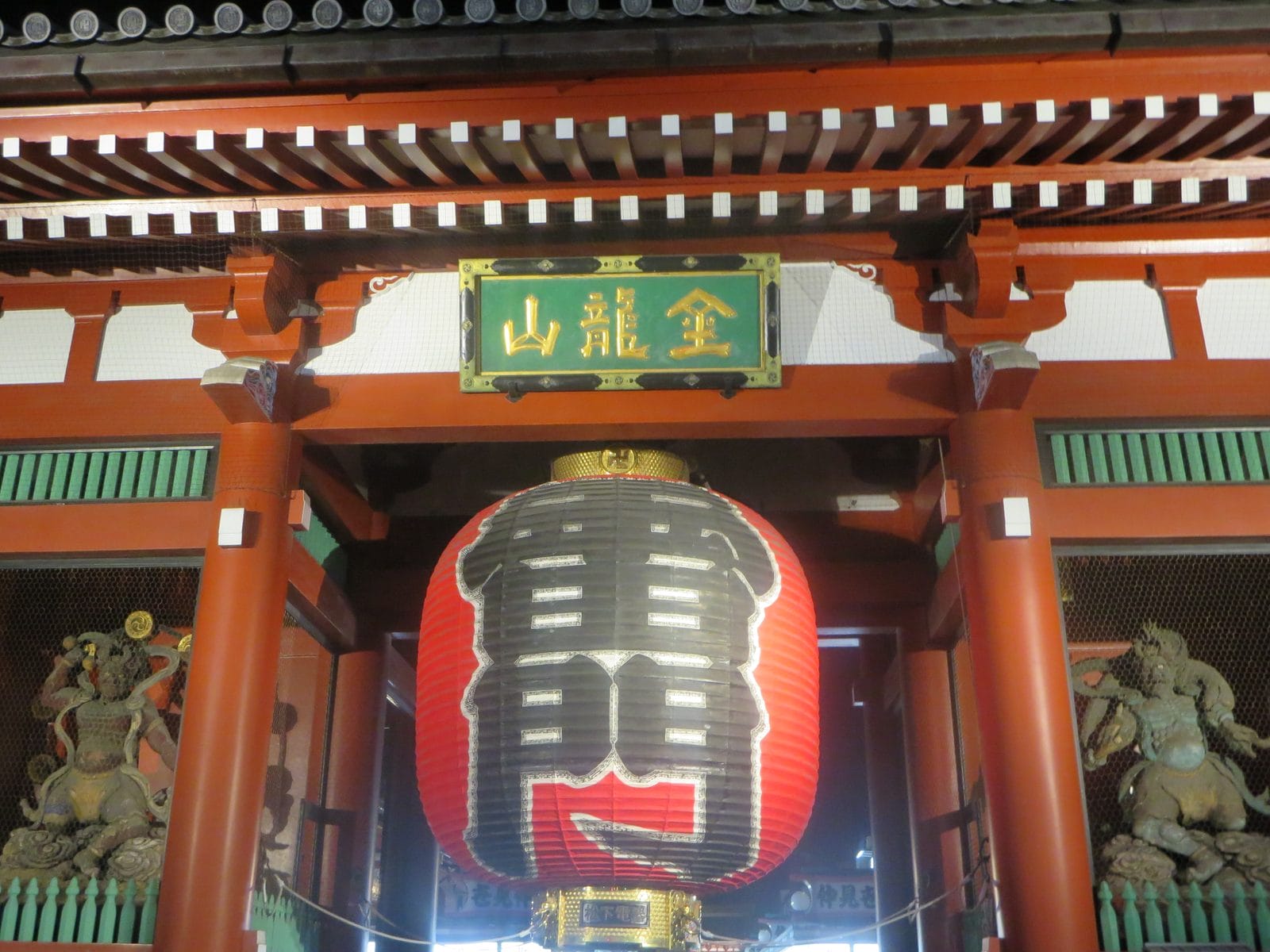
Ten days is where a first trip to Japan stops feeling rushed. You get three full days in Tokyo, a night at a Hakone hot-spring inn, three days around Kyoto and Nara, a day for Hiroshima and Miyajima, and Osaka’s food scene to finish — without spending every evening repacking a suitcase.
I spent two weeks in Japan with my mom in May 2025, visiting Tokyo, Kyoto, Osaka and Hiroshima. Japan is my favourite country I’ve travelled to so far. I’ve now been twice, and I’d happily keep going back to explore somewhere new each time. This itinerary follows a very similar route to ours.
The route: 3 nights Tokyo → 1 night Hakone → 3 nights Kyoto → 1 night Hiroshima → 2 nights Osaka. Fly into Tokyo and home from Osaka (Kansai Airport) so you never have to backtrack.
📢 Affiliate Disclosure: This post contains affiliate links to Klook, Viator, Booking.com and Amazon, plus links to my own Etsy shop. If you book or buy through these links, The Wandering Adventurer may earn a small commission at no extra cost to you. Thank you for supporting independent travel content!
🗓️ Last updated: November 2026. Prices, opening hours and tours change, so check the official sites before you go.
⚡ Before You Go
Book an open-jaw flight: into Tokyo (Haneda or Narita), out of Osaka (Kansai). It saves a full travel day.
Don’t automatically buy a JR Pass: the 7-day Japan Rail Pass is ¥50,000 on the official website (¥53,000 through overseas agents from October 2026). On this route the JR legs usually add up to less than the pass, so compare it with individual shinkansen fares for your exact dates before you buy. It doesn’t cover Nozomi trains without an extra ticket.
New for 2026: Japan’s departure tax is now ¥3,000 (usually included in your airfare), and since November 1, 2026, tax-free shopping works as a refund: you pay the tax in the shop and claim it back at airport customs when you leave.
Get an IC card: Suica or PASMO covers city trains, buses and convenience stores in every city on this route. Keep some cash too — Japan isn’t completely cashless.
Use luggage forwarding: send big bags ahead with a delivery service (takkyubin) so you’re only carrying a day bag to Hakone and Hiroshima.
🗓 Quick Book: 10-Day Japan Itinerary
| Experience | Best For | Book |
|---|---|---|
| 🛕 Asakusa & Senso-ji Walking Tour (Day 1) | The history behind Tokyo’s oldest temple | Klook | Viator |
| 🗼 Tokyo Skytree Tickets (Day 1) | Sunset views over the whole city | Klook |
| 🎡 teamLab Borderless Tickets (Day 2) | Tokyo’s immersive digital art museum | Klook |
| 🗿 Kamakura & Enoshima Day Tour (Day 3) | The Great Buddha without planning the trains | Klook | Viator |
| ⛩️ Fushimi Inari Hidden Hiking Tour (Day 5) | Quieter trails above the torii gates | Klook | Viator |
| 🏮 Gion Geisha District Evening Walk (Day 5) | Understanding Gion, not just photographing it | Klook | Viator |
| 🎋 Arashiyama Walking Tour (Day 6) | The bamboo grove, gardens and monkey park | Klook | Viator |
| 🍵 Tea Ceremony with Kimono (Day 6) | A hands-on cultural experience | Klook | Viator |
| 🦌 Nara Day Trip (Day 7) | Todai-ji and the deer park with a guide | Klook |
| 🕊️ Hiroshima & Miyajima Day Tour (Day 8) | Both sights in one day, with lunch and ferry | Klook | Viator |
| 🏯 Osaka Castle Tour with Admission (Day 9) | The castle’s history plus entry to the main tower | Klook | Viator |
| 🍢 Osaka Street Food Tour (Day 9) | Eating your way through Dotonbori | Klook | Viator |
| 🎢 Universal Studios Japan Tickets (Day 10) | Super Nintendo World and Harry Potter | Klook |
💡 Timed tickets for teamLab, Skytree and Universal Studios Japan can sell out on busy dates, so book them as soon as your dates are fixed.
🏨 Where to Stay for This Itinerary
Staying right by the main stations keeps every travel day easy. One pick per stop:
- Tokyo (3 nights): Hotel Gracery Shinjuku — a few minutes’ walk from Shinjuku Station, central for Days 1–3.
- Hakone (1 night): Hakone Onsen Ryokan Yaeikan — a traditional ryokan with hot-spring baths in the Hakone-Yumoto area.
- Kyoto (3 nights): Hotel Granvia Kyoto — built into Kyoto Station, ideal for the Nara and Hiroshima train days.
- Hiroshima (1 night): Hotel Granvia Hiroshima — directly connected to Hiroshima Station.
- Osaka (2 nights): Swissotel Nankai Osaka — above Namba Station, with direct trains to Kansai Airport for your flight home.
🏨 More options at every budget: where to stay in Tokyo | where to stay in Kyoto | where to stay in Osaka
In Tokyo, we first stayed in an Airbnb in Asakusa, then finished our trip at Miyako City Tokyo, about a 10-minute walk from Shinagawa Station, which connects you all over Tokyo and to the airport. The room was quite small, as you’d expect in Tokyo, but breakfast was included, along with a free soft-drink happy hour and a free drink (check whether that’s still offered). They also let us check in early and held our bags for free after checkout. Booking apartments for the first part of our trip gave us a kitchen and more space on a longer stay. And the Japanese toilets were a fun highlight of every room! In Kyoto, we stayed at 4 Sisters Residence, outside the main tourist area. It was a 10-minute walk to the subway and 5 minutes to a bus stop, and the buses are an excellent way to get around Kyoto.
🗓️ Day 1: Historic Tokyo — Asakusa, Ueno, Akihabara & Tokyo Skytree
- Morning — Senso-ji: Tokyo’s oldest temple is at its best before 8am, when the Kaminarimon gate and Nakamise shopping street are nearly empty.
- Late morning — Ueno Park: Walk the park and visit the Tokyo National Museum, Japan’s oldest and largest museum.
- Afternoon — Akihabara: Tokyo’s electronics and anime district, all arcades and multi-story hobby shops.
- Evening — Tokyo Skytree: Finish back in eastern Tokyo at the Skytree for sunset and night views from its 350m and 450m decks.
💡 Insider Tip: Set up a Suica card on your phone before you land (or buy a physical card at the airport) so you can tap straight onto trains from day one, and top it up as you go.
🎟️ Book the Asakusa & Senso-ji Walking Tour on Klook or Viator
🎟️ Book Tokyo Skytree Tickets on Klook
At temples and shrines, cleanse your hands and mouth at the water basin before you enter. If you’re unsure of the steps, watch the locals or ask. Bow as you enter and leave as a sign of respect. At Senso-ji, we bought our fortunes: if you get a good one, keep it, and if it’s bad, tie it to the racks provided to leave the bad luck behind. In Akihabara we spent time in the arcades and crane machines and browsed all the gaming and anime shops. For bargains, try Daiso and Don Quijote (Donki), and Loft is great for stationery.
🗓️ Day 2: Modern Tokyo — Harajuku, Shibuya, teamLab & Shinjuku
- Morning — Meiji Jingu & Harajuku: Walk the forested approach to Meiji Jingu shrine, then step out onto busy Takeshita Street.
- Midday — Shibuya: Cross the famous scramble crossing, then see it from above at the Shibuya Sky observation deck.
- Afternoon — teamLab Borderless: The immersive digital art museum at Azabudai Hills. Timed tickets can sell out for popular dates, so book once your plans are fixed.
- Evening — Shinjuku: Free night views from the Tokyo Metropolitan Government Building, then the tiny bars of Golden Gai.
💡 Insider Tip: Golden Gai’s bars each set their own hours, cover charges and seating policies, and some are regulars-only — look for a posted sign welcoming visitors, and check the charge before you sit down.
🎟️ Book teamLab Borderless Tickets on Klook
🗓️ Day 3: Day Trip to Kamakura (or Nikko)
With a third day in Tokyo, get out of the city. Kamakura, about an hour south, is a former samurai capital with the giant bronze Great Buddha, wooded temple paths and the seaside island of Enoshima. If you’d prefer mountains and ornate shrines, Nikko, about two hours north, is home to the UNESCO-listed Toshogu Shrine.
💡 Insider Tip: Kamakura is easy to do on your own by train from Tokyo. A guided tour is worth it if you want Enoshima included without working out the connections.
🎟️ Book the Kamakura & Enoshima Day Tour on Klook or Viator
🎟️ Or book a Nikko Day Trip on Klook
More options: Best Day Trips from Tokyo →
We took a day trip to Kamakura and walked the beach looking for sea glass, then stopped in Yokohama on the way back to wander Chinatown, the largest in Japan, and try some food.
🗓️ Day 4: Hakone — Lake Ashi, Owakudani & a Ryokan Night
Hakone is a volcanic hot-spring area about 85 minutes from Shinjuku on the Odakyu Romancecar. Loop through it by mountain railway, cable car and ropeway over the steaming vents of Owakudani, cross Lake Ashi by sightseeing boat (with Mount Fuji behind it on clear days), and stop at the Hakone Open-Air Museum. Then check into your ryokan for an onsen soak and a multi-course dinner — most ryokan have shared baths, and some rooms come with a private one.
💡 Insider Tip: The Hakone Freepass (from ¥7,100 for 2 days from Shinjuku) covers the Odakyu base fare from Shinjuku, though the Romancecar needs a separate seat ticket, plus the area’s railway, cable car, ropeway, boats and buses. Mount Fuji visibility depends on the weather, so check the forecast before you leave Tokyo — it’s most often clear in winter and early spring.
🎟️ Rather not stay overnight? Book the Mt Fuji & Hakone Day Tour on Klook or Viator and add a fourth night in Tokyo instead.
🗓️ Day 5: Kyoto — Fushimi Inari, Higashiyama & Gion

- Morning — Travel to Kyoto: From Hakone, head to Odawara Station and take the shinkansen to Kyoto (about 2 hours). You’ll arrive around midday.
- Afternoon — Fushimi Inari Taisha: Walk the tunnels of vermilion torii gates. It’s busiest near the bottom, so keep climbing for quieter stretches. If you’d rather see it at dawn, swap it to early on Day 6.
- Late afternoon — Higashiyama: Walk the preserved lanes of Sannenzaka and Ninenzaka up to Kiyomizu-dera.
- Evening — Gion: Explore the historic teahouse district at dusk as the lanterns come on.
💡 Insider Tip: Gion is a working residential area. Some private lanes ban photography, and walking into marked private lanes can mean a ¥10,000 fine, and geiko and maiko should never be stopped or followed for photos. An evening walking tour is the respectful way to learn about the district.
🎟️ Book the Fushimi Inari Hidden Hiking Tour on Klook or Viator
🎟️ Book the Gion Geisha District Evening Walk on Klook or Viator
We climbed Fushimi Inari in the evening. Things were closing, but there were far fewer people. Leave plenty of time to get back, as buses and trains run less often later and can be very crowded.
🗓️ Day 6: Kyoto — Arashiyama, Kinkaku-ji & Nishiki Market
- Early morning — Arashiyama: Walk the bamboo grove at first light, then visit Tenryu-ji’s Zen garden and the Togetsukyo Bridge.
- Midday — Kinkaku-ji: The gold-leaf Golden Pavilion reflected in its pond.
- Afternoon — Tea ceremony: Slow down with a traditional tea ceremony, with the option to wear a kimono.
- Evening — Nishiki Market: Graze your way along Kyoto’s covered food market (most stalls close early evening).
💡 Insider Tip: The bamboo grove gets much busier later in the morning, so an early start gives you a far quieter walk.
🎟️ Book the Arashiyama Walking Tour on Klook or Viator
🎟️ Book a Tea Ceremony with Kimono on Klook or Viator
🎟️ Book the Nishiki Market Food Tour on Klook or Viator
We skipped the bamboo grove and climbed the mountain to the Iwatayama Monkey Park instead. You can’t touch the monkeys, but they come so close it’s like you’re not even there. To feed them, you step inside a little hut and buy food, so the people are the ones in the cage while the monkeys roam free, which we found pretty funny. The climb is steep, so it’s not for the faint of heart. Go early to beat the crowds, because the tour buses start arriving later on. We bought freshly ground matcha in Kyoto from a tiny shop on a tucked-away side street, where the owner makes it herself and lets you taste fresh matcha of whichever kind you choose before you buy.
🗓️ Day 7: Nara Day Trip — Todai-ji & the Deer Park
Nara is about 45 minutes from Kyoto by train. Japan’s first permanent capital is home to Todai-ji, whose Great Buddha Hall houses a 15-meter bronze Buddha, the lantern-lined paths of Kasuga Taisha, and more than a thousand free-roaming deer in Nara Park. Head back to Kyoto for a relaxed final evening in Pontocho’s narrow riverside alley.
💡 Insider Tip: The deer bow for the special crackers sold around the park, but they get pushy once they know you have them — keep the crackers out of sight until you’re ready to feed them.
🎟️ Book a Nara Day Trip on Klook
🗓️ Day 8: Hiroshima & Miyajima

Take an early shinkansen from Kyoto to Hiroshima (under 2 hours) and drop your bags at your hotel — you’re staying the night. Start at the Peace Memorial Park and the Atomic Bomb Dome, one of the few buildings near the hypocenter left standing, and give the Peace Memorial Museum at least two hours — it’s a powerful, carefully told account of August 6, 1945.
In the afternoon, take the JR train to Miyajimaguchi and the short ferry to Miyajima for the floating torii gate of Itsukushima Shrine. Because you’re sleeping in Hiroshima, you can stay for sunset, then head back for Hiroshima-style okonomiyaki, layered with noodles.
💡 Insider Tip: Check the tide times before you go — at high tide the torii appears to float, and at low tide you can walk out to it. The JR ferry is covered by the Japan Rail Pass, and Miyajima charges a small visitor tax per person.
🎟️ Prefer a guide? Book the Hiroshima & Miyajima Day Tour on Klook or Viator — it covers both sites with an okonomiyaki lunch and the ferry included.
Hiroshima is a beautiful but sombre city. Its people have rebuilt it while keeping stark reminders of the consequences of war. We visited as a day trip on the Kansai-Hiroshima Area Pass. The Peace Memorial Park and Museum are very detailed and give an honest account of what happened. Be prepared for an unfiltered experience: there are graphic images of what happened to people after the bomb. Buy the audio guide, because the museum can be very crowded and it’s hard to read every plaque. To get around Kansai and out to Hiroshima, we skipped the national JR Pass, which became much more expensive after its 2023 price increase, and bought JR West’s Kansai-Hiroshima Area Pass instead. The Shinkansen from Osaka to Hiroshima and back costs more than the whole pass, so it paid for itself in a single day. One catch: the pass doesn’t cover the Tokaido Shinkansen between Kyoto and Shin-Osaka. We bought a separate ticket for that stretch, but you can take a JR rapid or local train between Kyoto and Osaka instead, which the pass does cover.
🗓️ Day 9: Osaka — Osaka Castle, Kuromon Market & Dotonbori
- Morning — Travel to Osaka: The shinkansen from Hiroshima to Shin-Osaka takes about 1.5 hours. Drop your bags and head out.
- Late morning — Osaka Castle: The castle dates to 1583; today’s main tower is a 1931 reconstruction holding a museum on Toyotomi Hideyoshi, with city views from the top.
- Afternoon — Kuromon Market: Graze on fresh seafood, wagyu skewers and fruit.
- Evening — Dotonbori: Takoyaki, okonomiyaki and kushikatsu under the neon and the Glico running man sign.
💡 Insider Tip: Osaka’s motto is kuidaore — “eat until you drop.” Snack your way through the evening rather than booking one big dinner, and don’t skip the small counter-service and standing spots.
🎟️ Book the Osaka Castle Tour with Admission on Klook or Viator
🎟️ Book an Osaka Street Food Tour on Klook or Viator
Osaka is the complete opposite of Kyoto: wild and wacky. Dotonbori has great street food, with giant moving crabs, dumplings and animatronics everywhere. Don’t miss Namba Yasaka Shrine. It’s much quieter than other shrines, and its stage is shaped like a giant lion’s head. We visited Osaka as a day trip from Kyoto.
🗓️ Day 10: Universal Studios Japan or a Slow Osaka Morning
If you’re traveling with kids or love Nintendo, spend your last day at Universal Studios Japan, home to Super Nintendo World and the Wizarding World of Harry Potter — just book an evening or next-day flight. If not, explore the retro Shinsekai district around Tsutenkaku Tower, pick up last souvenirs, and take the train from Namba to Kansai Airport for your flight home.
💡 Insider Tip: Download the official USJ app before your visit and link your park tickets to it. Depending on the day, getting into Super Nintendo World may need a timed-entry ticket from the app; some tickets and Express Passes include guaranteed entry.
🎟️ Book Universal Studios Japan Tickets on Klook
🚫 What to Skip
- Hauling big suitcases onto the shinkansen — oversized bags need a reserved luggage space. Forward them ahead instead.
- Buying the JR Pass without checking — since its price rose, individual tickets can work out cheaper on this route.
- Squeezing Hiroshima into a day trip from Tokyo — it’s around four hours each way. It works best from Kyoto or Osaka, as here.
🧳 What to Pack for 10 Days in Japan
- Comfortable walking shoes that slip on and off — you’ll remove them at temples, ryokans and some restaurants
- Lightweight daypack — Amazon
- Portable power bank — Amazon
- Compact umbrella — Amazon
- Reusable water bottle — Amazon
- Packing cubes — Amazon
- Noise-canceling headphones for the shinkansen — Amazon
- A small coin purse — cash is still needed at some shrines, markets and small restaurants
🗺️ Want a printable planner for this trip? My fillable Japan Trip Planner covers day-by-day itinerary building and trip logistics in one workbook. Get it on Etsy →
We visited in May and the weather was wonderful: warm and sunny but not too hot, with only one day of rain in two weeks. Summer brings much more heat and humidity. We each travelled with a suitcase and a carry-on and didn’t find it difficult on the trains. We didn’t use luggage forwarding, but I’m told it’s very efficient and on time.
❓ Frequently Asked Questions About 10 Days in Japan
Is 10 days enough for a first trip to Japan?
Yes. Ten days covers Tokyo, Hakone, Kyoto, Nara, Hiroshima, Miyajima and Osaka at a comfortable pace, with only one-night stops in Hakone and Hiroshima.
Is the Japan Rail Pass worth it for 10 days?
Usually not on this route, where the JR legs tend to cost less than the pass. The 7-day pass is ¥50,000 when bought on the official website, and it doesn’t cover Nozomi trains without an extra ticket. Add up individual fares for your exact dates before deciding.
Should I fly into Tokyo and out of Osaka?
Yes, if you can. An open-jaw ticket into Tokyo and out of Kansai Airport means you never have to backtrack across the country.
Should I stay overnight in Hiroshima?
One night makes the day far more relaxed: you can stay on Miyajima for sunset and eat okonomiyaki in Hiroshima. It’s also possible as a long day trip from Kyoto or Osaka.
What’s the best time of year for this itinerary?
Spring (late March to early April) and autumn (November) are the most beautiful but also the busiest. Late May and October are good compromises with milder crowds.
Plan the Rest of Your Japan Trip
Shorter on time, or want more detail on where to stay? These guides cover it.
This post contains affiliate links to Klook, Viator, Booking.com and Amazon, plus links to my own Etsy shop. The Wandering Adventurer may earn a small commission if you book or buy through these links, at no extra cost to you.
Leave a Reply